

Technology cycles move fast. Teams now ship products while the platform keeps changing under their feet. That pressure makes emerging technologies more than a buzzword. It turns them into a planning tool.
Leaders track emerging technology trends to spot what will matter next. Engineers track them to avoid dead-end stacks. Product teams track them to find new value for users. This guide explains the latest emerging technologies in plain language, with clear examples and practical next steps.

Top 12 Emerging Technologies to Watch
1. Agentic AI (Autonomous Multi-agent Systems)
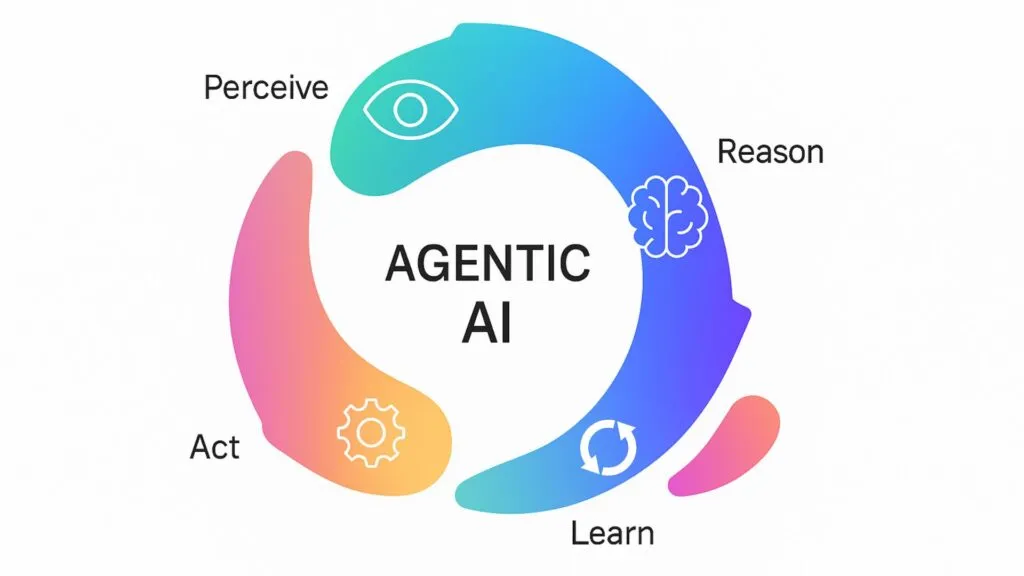
Agentic AI shifts AI from “answering” to “doing.” It plans tasks, calls tools, and checks results. Then it repeats until it reaches a goal. That loop changes how teams build workflows.
Gartner expects 15% of day-to-day work decisions will be made autonomously through agentic AI by 2028, so governance matters early. Teams need clear boundaries. They also need logs that show why the system acted.
Where It Shows Up Fast
- Ops agents that triage alerts and open tickets.
- Sales agents that draft outreach and update CRM fields.
- Security agents that run playbooks with human approval.
What To Build First
Start with a narrow agent. Give it one workflow and a small tool set. Add a “stop and ask” rule before risky actions. Then measure outcomes with a simple scorecard.
2. Quantum Computing: The Utility Scale Era

Quantum computing now moves from demos to targeted utility. Teams use it where classical methods struggle, like certain chemistry simulations and complex optimization. That shift also changes how enterprises buy quantum services.
IBM introduced a 1,121 superconducting qubit quantum processor, which signals steady scaling. Scale alone does not solve everything, though. Error rates, connectivity, and algorithms still decide real value.
Practical Enterprise Patterns
- Hybrid workflows that split work across classical and quantum steps.
- Quantum-inspired algorithms that run on classical hardware today.
- Specialized pilots in materials, logistics, and finance risk models.
How Teams Prepare
Build strong benchmarking habits. Pick one business problem with clear metrics. Then test quantum approaches against classical baselines.
3. Post-Quantum Cryptography (PQC)

PQC protects data against future quantum attacks. It replaces vulnerable public-key methods with quantum-resistant schemes. That matters because encrypted data can sit in storage for years.
NIST released first 3 finalized post-quantum encryption standards, so migration now has a clearer path. Teams can plan upgrades with fewer unknowns. They can also align vendors on the same target algorithms.
What Changes In Real Systems
- Larger keys and signatures in many cases.
- Updated TLS stacks and certificate tooling.
- New HSM and KMS support requirements.
Best First Move
Inventory cryptography across apps, libraries, devices, and partners. Then prioritize “harvest now, decrypt later” risks like long-term records and sensitive archives.
4. Physical AI (Advanced Humanoid Robotics)
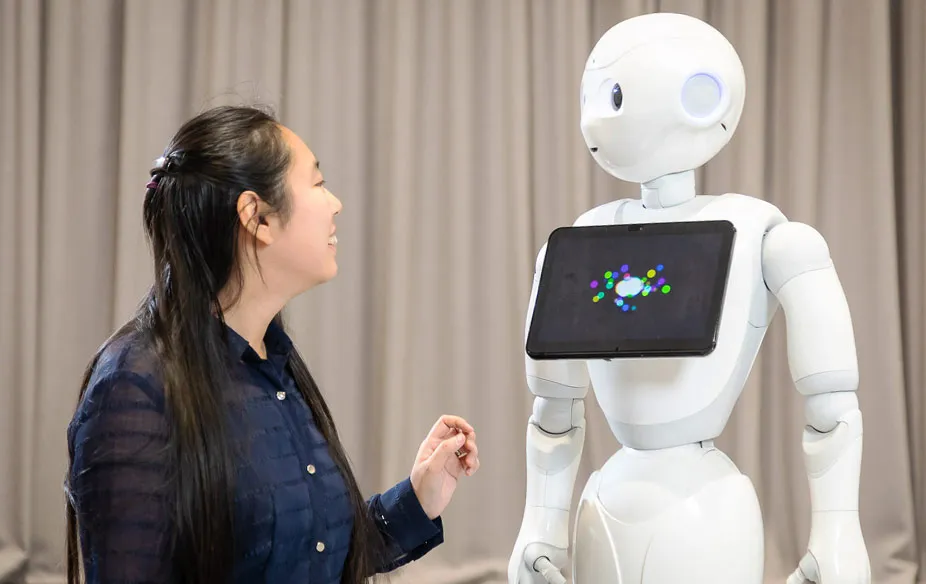
Physical AI blends robotics with modern AI models. It helps robots follow natural language instructions and adapt to messy spaces. That combination pushes automation beyond fixed cages and rigid scripts.
Goldman Sachs projects $38 billion by 2035 for the humanoid robot market, so investment keeps rising. Early wins often come from warehouses and factories. Those environments offer repeatable tasks and clearer safety rules.
Strong Near-Term Use Cases
- Pick-and-place and tote handling in logistics.
- Parts kitting and sequencing in manufacturing lines.
- Inspection rounds in large facilities.
What Enables Reliability
Teams need robust perception, safe motion planning, and fast recovery from failure. They also need clear operating boundaries for humans nearby.
5. Edge AI and Small Language Models (SLMs)
Edge AI runs models close to users and devices. It cuts latency and reduces cloud spend. It also supports privacy by keeping sensitive data local.
SLMs make that shift easier. They run on phones, laptops, and gateways. That unlocks offline experiences and quick responses.
Gartner says AI PCs will represent 31% of worldwide PC market by the end of 2025, so on-device capability will spread. Teams can design apps that mix local inference with cloud escalation. That hybrid pattern often delivers the best cost and speed balance.
Good Fit Scenarios
- Real-time vision in manufacturing and retail.
- Personal assistants that work offline.
- On-device summarization for meetings and notes.
6. Brain-Computer Interfaces (BCI)

BCI links brain signals to computers. Some systems use implants for high signal quality. Others use non-invasive sensors for easier adoption. Both paths aim to restore communication and control.
Research teams now reached 78 words per minute in controlled BCI typing, which shows rapid progress. That speed changes what users can do. It also changes what software must support.
Software Needs For BCI
- Ultra-low-latency input pipelines.
- Adaptive UI that reduces motor effort.
- Strong privacy and consent controls for neural data.
Where Adoption Starts
Healthcare leads because the value is immediate. Over time, training, gaming, and accessibility tools can follow.
7. Spatial Computing and The Industrial Metaverse

Spatial computing blends digital content with the physical world. The industrial metaverse applies it to factories, plants, and infrastructure. Teams use digital twins to plan work, train staff, and reduce downtime.
McKinsey estimates the metaverse could generate $5 trillion in value by 2030, so the opportunity stays large. Industrial teams often focus on practical “metaverse” features, not hype. They want better planning, safer operations, and faster troubleshooting.
Concrete Industrial Examples
- AR work instructions for maintenance crews.
- Digital twin simulations for layout changes.
- Remote expert support with shared spatial annotations.
Key Enablers
Open standards help adoption. Sensor data quality also matters. Without accurate data, the “twin” drifts from reality.
8. Confidential Computing (Privacy-Enhancing Tech)

Confidential computing protects data while it runs. It uses trusted execution environments to isolate sensitive workloads. That matters because “data in use” often remains exposed during processing.
A Linux Foundation study reports 75% of organizations are adopting Confidential Computing, which shows strong momentum. This trend supports safer AI training and cross-company analytics. It also reduces risk in shared cloud environments.
High-Value Use Cases
- Secure AI inference on sensitive customer data.
- Partner analytics without exposing raw datasets.
- Protected key management and secrets handling.
Practical Adoption Tip
Start with one sensitive workflow. Then validate performance and operational overhead. After that, expand to broader data collaboration.
9. Next-Gen Energy Storage and Solid-State Batteries

Energy storage reshapes transport, grids, and factories. It stabilizes renewable energy and supports electrification. It also changes how companies plan capacity and uptime.
IEA says global battery manufacturing capacity reached 3 TWh in 2024, so supply keeps scaling. That growth lowers cost and speeds adoption across sectors. At the same time, solid-state designs aim to improve safety and energy density.
Fraunhofer ISI highlights a solid-state roadmap with 350–400 Wh/kg as a key target range. That target can unlock lighter packs and longer runtimes. It can also help drones, aviation research, and heavy-duty fleets.
What To Watch
- Manufacturing yield and cost at scale.
- Charging speed without degrading cells.
- Supply chain resilience for critical minerals.
10. Synthetic Biology and Biomanufacturing

Synthetic biology engineers cells like programmable factories. Biomanufacturing uses that power to produce chemicals, materials, fuels, and therapies. This shift can reduce waste and cut dependence on petrochemical processes.
McKinsey Global Institute estimates $2 trillion to $4 trillion of direct annual economic impact, so the upside remains huge. That impact comes from faster R&D, better processes, and new products. It also comes from scaling fermentation and bio-based materials.
Specific Examples
- Precision fermentation for specialty ingredients.
- Engineered microbes for waste-to-value processes.
- Lab automation that accelerates design-build-test cycles.
Why Software Matters Here
Teams need strong lab data systems. They also need workflow automation and traceability across experiments.
11. Multi-Cloud and Cloud Resilience Architectures

Multi-cloud spreads workloads across more than one provider. Resilience architecture makes that complexity manageable. Together, they reduce outage risk and vendor lock-in.
Flexera reports 89% of organizations use multi-cloud, so this pattern has become mainstream. That adoption also increases engineering demands. Teams must manage identity, networking, observability, and costs across environments.
Resilience Patterns That Work
- Active-active services for critical APIs.
- Portable platforms using Kubernetes and containers.
- Backup and recovery drills that teams run regularly.
What Changes For Teams
Teams need clear platform standards. They also need shared playbooks for incidents across clouds.
12. Neuromorphic Computing

Neuromorphic computing mimics the brain’s event-driven style. It uses spiking neural networks and specialized hardware. This approach can cut power use for certain tasks.
Intel reports a neuromorphic system that supports 1.15 billion neurons, which shows the scale of research progress. That scale can help real-time sensing and adaptive control. It can also support robotics and edge intelligence.
Where It Fits Best
- Always-on perception with low power budgets.
- Event-based vision for fast motion tracking.
- Adaptive control loops in robotics and industrial systems.
How To Experiment
Start with a prototype in a lab setting. Pick a task that needs fast response and low energy. Then compare it with GPU baselines.
Emerging Technologies Use Cases by Industries
Healthcare
Healthcare adopts emerging technologies because outcomes matter. Agentic AI can help clinicians summarize notes and coordinate care tasks. Edge AI can run screening models inside hospitals with low latency.
BCI also changes rehabilitation and communication tools. Teams can design apps that translate intent into text, cursor control, or device actions. Confidential computing can protect sensitive training data while teams build AI models.
Finance and Banking (FinTech)
FinTech teams chase speed and trust. PQC helps protect long-lived financial records. Confidential computing helps banks collaborate on fraud signals without exposing raw customer data.
Agentic AI can support analysts with research, drafting, and workflow automation. Multi-cloud resilience also reduces outage risk for customer-facing services.
Manufacturing
Manufacturing needs fewer surprises on the floor. Spatial computing and digital twins can preview line changes before teams move equipment. Edge AI can detect defects near the camera, not after the batch ends.
Physical AI can automate material handling where fixed robots fall short. Neuromorphic approaches can help fast sensing and control in specialized setups. These serve as strong emerging technologies examples because they connect software to real-world output.
Energy and Sustainability (GreenTech)
Energy teams focus on reliability and efficiency. Next-gen storage helps stabilize renewable-heavy grids. Edge AI can manage microgrids and predict equipment failures close to the asset.
Multi-cloud resilience can support national-scale monitoring platforms. Synthetic biology can also help produce greener materials and fuels over time.
Agriculture and Food Tech (AgriTech)
AgriTech mixes biology, sensors, and logistics. Edge AI can detect pests, disease, and irrigation needs in the field. Spatial tools can train workers and guide maintenance on equipment.
Synthetic biology can create new inputs and ingredients. Agentic AI can also automate planning across suppliers, storage, and demand signals.
How These Emerging Technologies Impact Software Development
Software teams now build for more targets. They ship to cloud, edge, and devices at the same time. That shift changes architecture, testing, and operations.
Architecture Shifts Toward Hybrid Systems
Teams blend on-device inference with cloud services. They also build workflows that call tools, not just APIs. As a result, they need clear contracts between agents, services, and humans.
Security Moves Earlier And Gets More Complex
PQC adds migration work across libraries and partners. Confidential computing adds new deployment options for sensitive workloads. Teams must treat identity, keys, and audit logs as core features, not add-ons.
Testing Expands Beyond Unit And Integration Checks
Agentic AI needs behavior tests and guardrail tests. Robotics needs simulation and safety validation. Spatial apps need environment testing across spaces, lighting, and sensors.
Observability Becomes A Product Feature
Teams must track agent actions and tool calls. They must also track edge model drift. Strong tracing and event logs help teams debug faster and build trust.
How Businesses Can Prepare for Emerging Technologies
Businesses can win with new emerging technologies when they plan with discipline. They do not need to chase everything. They need a repeatable way to test, learn, and scale.
Build A Clear Radar
Create a short list of bets. Tie each bet to a business goal. Then review that list on a fixed cadence.
Start With Small Pilots
Pick one workflow, one team, and one success metric. Keep the scope tight. Then expand only after you see real gains.
Invest In Data And Governance
Agentic AI and edge AI both depend on clean data. Define data ownership and access rules early. Add audit trails for sensitive actions.
Design Security For The Next Decade
Plan PQC migration like a long program, not a quick patch. Map cryptography across vendors and devices. Then upgrade step by step with clear validation.
Upskill Teams With Hands-On Work
Training sticks when people build. Run internal hack days around agents, edge inference, and digital twins. Also rotate engineers through platform and security work.
Choose Partners And Standards Wisely
Open standards reduce lock-in. Strong vendors reduce delivery risk. Balance both as you design roadmaps and procurement rules.
Emerging technologies reward teams that move with focus. They punish teams that chase hype without a plan. When you pair tight pilots with strong governance, you can turn the latest emerging technologies into durable advantage.
Conclusion
Change will keep coming. So the real advantage comes from how you respond. Businesses that test emerging technologies early can ship faster, reduce risk, and find new revenue streams.
At Designveloper, we turn that uncertainty into a clear build plan. We have done it since founded in early 2013, right here in Vietnam. We guide strategy, design, development, QA, and long-term maintenance. Additionally, we also help teams modernize legacy systems, harden security, and scale cloud platforms without breaking what already works.
Our experience stays practical because we build real products. We have shipped platforms like Lumin for PDF workflows, Joyn’it for community events, and Wave for solar industry operations. These projects trained us to solve tough problems like fast-growing databases, shifting requirements, and performance at scale. That same discipline helps when you adopt agentic AI, edge AI, confidential computing, or PQC readiness.
Clients also trust how we work, not only what we deliver. Our Clutch profile shows a 4.9 overall rating from 9 reviews, and we take that standard into every sprint. If you want a roadmap that turns new tech into measurable outcomes, we are ready to build it with you.