

Building a software-as-a-service product still looks attractive right now. Demand keeps rising, budgets keep shifting to cloud tools, and buyers keep asking for faster results. The global SaaS market is projected to reach $375.57 billion in 2026, so the window stays wide for founders who pick a clear niche and ship quickly. At the same time, product expectations change fast because 71 percent of respondents say their organizations regularly use gen AI, which pushes SaaS teams to incorporate more SaaS ideas, add automation, better workflows, and smarter experiences.
This guide shares practical saas ideas you can build and sell. Each idea includes a clear target user, a tight MVP scope, and a realistic way to stand out. You will also see how to validate Micro SaaS opportunities and how to turn a concept into a working product.

Why SaaS Is a Great Business Model
SaaS scales in a clean way. You build once, then you sell many times. You also improve the product while customers keep using it. That feedback loop helps you ship smarter updates and raise retention. It’s important to take note of SaaS ideas to invest in in this landscape.
Cloud budgets also support SaaS growth. Gartner forecasts public cloud end-user spending to hit $723.4 billion in 2025, so more teams will buy cloud-native tools instead of installing software. As a result, SaaS buyers expect quick onboarding, easy integrations, and strong security.
Recurring revenue makes planning easier. You forecast revenue, hire with confidence, and invest in product quality. That stability also attracts investors and strategic partners. Zuora’s Subscription Economy Index found subscription companies delivered 11% faster revenue growth than the broader economy in its comparison, which shows why recurring models keep winning.
Finally, SaaS fits how people work now. Teams collaborate across time zones and devices. They also expect tools to “just work” everywhere. Gartner also expects worldwide IT spending to total $6.15 trillion in 2026, which supports steady demand for software that saves time and reduces risk.
30 Profitable SaaS Ideas to Build

These saas ideas focus on real workflows. Each one targets a budget owner, a repeatable problem, and a clear path to paid value. You can build many of them as Micro SaaS if you keep the scope tight and integrate with tools your users already use.
1. AI Customer Support Platform
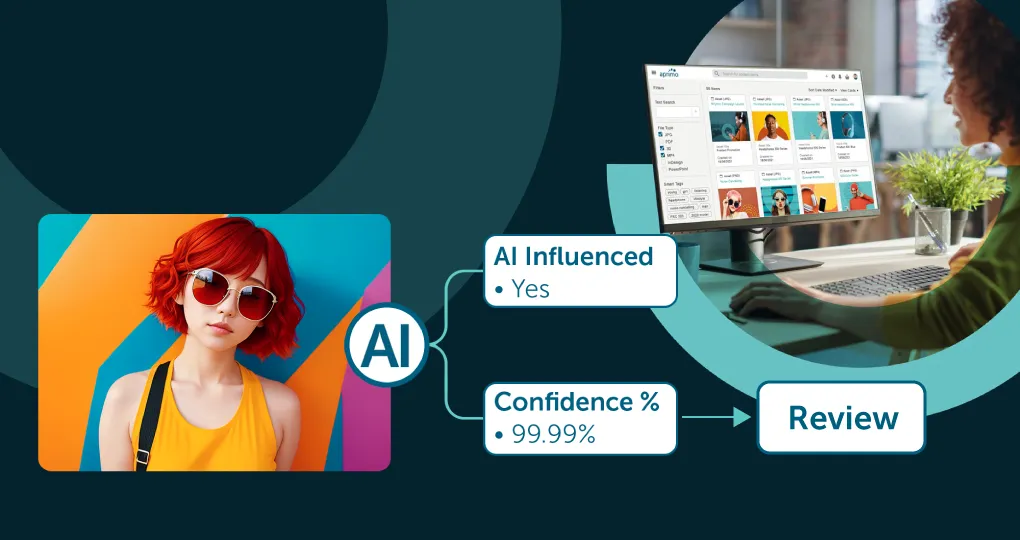
Support teams want faster replies without losing quality. This product connects to help desk tools and knowledge bases. Then it drafts answers, suggests macros, and routes tickets to the right person. You can start with one channel, such as email or chat. Gartner reports 85% of customer service leaders will explore or pilot customer-facing conversational GenAI in 2025, so the timing stays strong for this category.
- Best buyers: ecommerce, SaaS, and marketplaces with high ticket volume.
- MVP features: reply drafting, intent detection, knowledge search, and escalation rules.
- Moat: better training data from resolved tickets and curated playbooks.
2. AI Voice Biometrics Security

Phone-based workflows still face fraud. Voice biometrics can reduce risk while keeping login simple. This SaaS enrolls a user’s voiceprint, then verifies identity during calls or voice notes. You can focus on call centers, banks, or telehealth. Start with verification and alerts. Add device signals later to reduce spoofing.
- Best buyers: customer care teams that handle sensitive accounts.
- MVP features: enrollment, verification API, risk scoring, audit logs.
- Moat: model tuning for noisy call audio and local accents.
3. Autonomous Legal Contract Analyzer

Legal review takes time and slows deals. This tool scans contracts, flags risky clauses, and suggests safer language. It also compares versions and tracks who changed what. Focus on a single contract type first, such as NDAs or MSAs. Then expand to other templates once you prove value.
- Best buyers: startups without large legal teams and sales-led companies.
- MVP features: clause detection, red-flag list, markup suggestions, version compare.
- Moat: curated clause library and firm-specific playbooks.
4. AI Video Localization and Lip-Sync
Global teams want content in many languages. This SaaS translates scripts, generates voiceovers, and syncs lips for talking-head videos. It also exports subtitles and captions. Start with simple workflows for marketing teams. Then add brand voice settings and pronunciation dictionaries.
- Best buyers: product marketing, training teams, and online educators.
- MVP features: translation, dubbing, subtitle export, basic lip-sync.
- Moat: brand-safe terminology and consistent voice across episodes.
5. AI Bookkeeping for Freelancers
Freelancers struggle with receipts, invoices, and tax categories. As such, these SaaS ideas can help. They can be tools to help connect to banks and payment platforms, then classifies transactions and prepares monthly reports. It also reminds users about missing receipts. Keep the UI simple. Guide users with clear next actions.
- Best buyers: creators, consultants, and independent developers.
- MVP features: transaction import, categorization, receipt capture, export to accountant.
- Moat: local tax templates and smart rules that learn user behavior.
6. Autonomous Competitive Intelligence
Product and sales teams track competitors, but manual tracking fails fast. This SaaS watches pricing pages, changelogs, ads, and reviews. Then it summarizes changes and suggests responses. Start with monitoring and alerts. Add insights once you collect steady signals.
- Best buyers: product marketing and sales enablement teams.
- MVP features: tracked pages, change detection, weekly summary, alert rules.
- Moat: clean competitor taxonomy and high-signal summaries.
7. Autonomous Content Repurposing Agent
Teams create one long asset and need many short ones. This tool turns webinars into clips, blogs into social posts, and reports into email sequences. It also keeps tone consistent across formats. Make the workflow easy. Let users approve drafts before publishing.
- Best buyers: lean marketing teams and founders who post often.
- MVP features: input upload, format templates, scheduling, brand style settings.
- Moat: industry-specific templates that match buyer intent.
8. One-Click Subscription Manager
Many companies lose money to unused tools. This SaaS discovers subscriptions, highlights waste, and helps teams cancel or downgrade. It also enforces approval flows for new purchases. Build it as a Micro SaaS by focusing on one ecosystem first, such as email invoices or a finance platform integration.
- Best buyers: finance ops and IT admins who manage licenses.
- MVP features: subscription detection, renewal alerts, ownership mapping, cancellation requests.
- Moat: accurate detection plus workflow automation for approvals.
9. Newsletter Sponsorship Marketplace
Newsletter creators want sponsors. Brands want qualified audiences. This marketplace verifies audience quality, standardizes placements, and handles billing. Start with one niche, such as developer newsletters or local business newsletters. Then expand once you build trust.
- Best buyers: creators and performance marketers.
- MVP features: creator profiles, inventory listings, booking, invoicing, reporting.
- Moat: quality scoring and fraud prevention.
10. Team Meeting Cost Calculator
Meetings consume time and hide real costs. These SaaS ideas can turn into tools to connect to calendars, estimates meeting cost, and suggests leaner alternatives. It also highlights repeat meetings with low outcomes. The product stays simple, yet it can change behavior quickly when leaders see the waste.
- Best buyers: operations leaders and team managers.
- MVP features: calendar sync, cost estimate, meeting score, action suggestions.
- Moat: behavior nudges and team-level reporting.
11. Smart License Tracking
License sprawl creates security and cost problems. This SaaS tracks who uses what, who needs access, and which apps look risky. It also supports offboarding checklists. Start with single sign-on integrations. Then add spend tracking once you see adoption.
- Best buyers: IT and security teams.
- MVP features: app inventory, user mapping, access reviews, offboarding automation.
- Moat: accurate usage signals and clean compliance reports.
12. Workflow Automation for Non-Technical Teams
Many automation tools still feel complex. This SaaS offers guided templates that match common workflows, such as onboarding, approvals, and content requests. It also includes a plain-language rule builder. Focus on a small set of job-to-be-done flows. That focus reduces churn.
- Best buyers: HR, marketing ops, and customer ops teams.
- MVP features: templates, form builder, integrations, notifications, audit trail.
- Moat: vertical templates and faster time-to-value.
13. Influencer Whitelist Manager
Paid social teams use influencer whitelisting to run ads from creator handles. However, they struggle to track permissions and expiration. This tool manages approvals, asset libraries, and campaign handoffs. It also logs consent and contracts for compliance.
- Best buyers: performance marketing teams that run creator ads.
- MVP features: permission tracking, expiry alerts, asset storage, workflow approvals.
- Moat: compliance-first design and clean creator collaboration.
14. Programmatic SEO for Local Services
Local service businesses need many pages that match real searches. These SaaS ideas fulfill crucial needs, such as heling generate service pages, location pages, and FAQ clusters. It also tracks ranking changes and suggests internal links. Keep quality high. Add guardrails that prevent thin or duplicate pages.
- Best buyers: agencies and local service brands with many locations.
- MVP features: page templates, content drafts, schema helpers, publishing integrations.
- Moat: strong content QA and local intent modeling.
15. Custom QR Code for Dynamic Menus
Restaurants update menus often. They also run specials and time-based items. This SaaS generates QR codes that point to dynamic menus. It supports edits without reprinting codes. Add simple analytics so owners see what customers view and where they drop off.
- Best buyers: cafés, restaurants, and hotel food services.
- MVP features: menu builder, QR generator, multi-language support, basic analytics.
- Moat: fast editing and smooth mobile UX.
16. SaaS Usage Heatmap Tool
Product teams need clarity on what users do. This tool tracks clicks, journeys, and feature adoption. It then highlights friction points and drop-offs. Keep privacy in mind. Offer event filtering and easy dashboards for non-analysts.
- Best buyers: product teams and growth teams.
- MVP features: session replay, event tracking, funnels, feature flags integration.
- Moat: simple insights that drive fast product changes.
17. Healthcare Operations Management SaaS
Clinics and hospitals juggle scheduling, staffing, and patient flow. This SaaS helps teams coordinate tasks, reduce bottlenecks, and track service quality. Start with one workflow, such as appointment scheduling and staff assignments. Then add dashboards for operations leaders.
- Best buyers: clinic managers and hospital operations teams.
- MVP features: scheduling, task boards, alerts, role-based access.
- Moat: workflow fit for healthcare policies and audit needs.
18. PropTech Tenant Management
Property managers handle repairs, rent, and tenant communication. This SaaS unifies requests, vendor dispatch, and status updates. It also stores lease documents and policies. Start with maintenance workflows. Then add billing and reporting when users trust the system.
- Best buyers: property management firms and landlords with many units.
- MVP features: ticketing, vendor routing, tenant portal, document storage.
- Moat: fast resolution and clean vendor performance data.
19. SaaS for ESG Compliance
Many companies need to track sustainability actions and report progress. This tool centralizes policies, evidence, and reporting tasks. It also reminds teams when evidence expires. Keep the product flexible, because standards vary by industry and region.
- Best buyers: compliance teams and procurement leaders.
- MVP features: evidence repository, workflows, reporting exports, audit logs.
- Moat: templates aligned to common reporting requests from partners.
20. Personalized Corporate Reskilling
Companies want faster upskilling that matches real job needs. This SaaS maps roles to skill paths and recommends lessons and practice tasks. It also tracks progress for managers. Start with one function, such as sales or customer success. Then expand once you prove outcomes.
- Best buyers: HR and learning teams.
- MVP features: role mapping, learning paths, quizzes, manager dashboards.
- Moat: skill taxonomy plus practical, role-based assessments.
21. Employee Mental Health Monitor
Leaders want to reduce burnout, yet they also must protect privacy. This SaaS tracks anonymous signals, such as pulse surveys and workload markers. It then suggests interventions, such as workload balancing or manager check-ins. The product must communicate clearly and avoid surveillance vibes.
- Best buyers: HR and people operations teams.
- MVP features: pulse surveys, anonymized trends, action playbooks, alerts.
- Moat: trust-first design and strong privacy controls.
22. CRM for Niche Industries
Generic CRMs feel heavy for specialized teams. A niche CRM wins when it matches the industry workflow. Think about studios, clinics, brokers, or repair services. Start with one vertical and build the exact fields, pipeline stages, and documents they use daily.
- Best buyers: small teams in regulated or specialized industries.
- MVP features: pipeline, contacts, templates, reminders, reporting.
- Moat: vertical depth and faster onboarding than general CRMs.
23. Contract Lifecycle Management Software
Companies need a single source of truth for contracts. This SaaS stores agreements, tracks renewals, and standardizes approvals. It also supports redlining and clause libraries. Start with storage and reminders. Then add workflows and analytics after users trust the repository.
- Best buyers: procurement and legal operations teams.
- MVP features: contract repository, renewal alerts, approvals, permissions.
- Moat: strong search and clean workflows that reduce cycle time.
24. Subscription Billing and Invoicing Platform
Billing creates churn when it breaks. This SaaS handles invoices, payment retries, and plan changes. It also supports proration and taxes. Start with a small set of billing rules that match a clear niche. Add advanced pricing models once you validate demand.
- Best buyers: SaaS founders and digital service providers.
- MVP features: plans, invoices, payment retries, receipts, customer portal.
- Moat: reliability, clean edge cases, and smooth self-serve upgrades.
25. Business Intelligence and Reporting SaaS
Teams want answers without waiting for analysts. This tool connects to data sources and produces dashboards that match business questions. It also explains trends in plain language. Start with one domain, such as sales or support. That focus helps you design better default metrics.
- Best buyers: founders and department heads who need weekly insights.
- MVP features: connectors, dashboards, scheduled reports, anomaly alerts.
- Moat: opinionated metrics that match a niche’s needs.
26. Vendor and Procurement Management Tool
Procurement teams manage contracts, reviews, and renewals. This SaaS centralizes vendor records and tracks risk, approvals, and performance. Start with vendor intake and renewal tracking. Then add risk workflows for security questionnaires and policy reviews.
- Best buyers: procurement and finance operations teams.
- MVP features: vendor directory, renewal alerts, intake forms, approval flows.
- Moat: fast audits and standardized vendor evaluation.
27. Creator CRM and Monetization Platform
Creators need to track brand deals, deliverables, and payments. These SaaS ideas are about organizing contacts, templates, and outreach. It also tracks what content shipped and what invoices remain unpaid. Start with deal tracking and email templates. Add analytics later to improve pricing decisions.
- Best buyers: creators, talent managers, and small agencies.
- MVP features: deal pipeline, deliverable checklist, invoicing, asset storage.
- Moat: creator-first workflows and fast setup.
28. Online Course and Community SaaS
Educators want content, community, and payments in one place. This SaaS supports course hosting, member spaces, and progress tracking. It also supports events and announcements. Start with a clean creator experience and a great learner experience. Then add integrations as demand grows.
- Best buyers: coaches, instructors, and niche educators.
- MVP features: course builder, community posts, payments, progress tracking.
- Moat: community retention features and smooth onboarding.
29. Influencer Campaign Management Software
Brands struggle to plan campaigns, track deliverables, and measure outcomes. Such SaaS ideas can turn into tools that help manage briefs, creator lists, contracts, and approvals. It also organizes content rights and usage terms. Start with campaign planning and deliverable tracking. Add reporting once you integrate with key channels.
- Best buyers: brand teams and influencer agencies.
- MVP features: creator database, campaign briefs, task tracking, approvals.
- Moat: strong workflow plus rights management.
30. AI Governance and TRiSM Control Center
Many teams ship AI features fast. However, leaders still worry about trust, risk, and security. This SaaS gives them one dashboard to manage models, prompts, and outputs. Start with a narrow use case. For example, support teams that use a chatbot need clear logs and safe replies. A procurement team also needs proof that an AI assistant did not leak vendor data. You can then expand into policy packs for different industries.
- Best buyers: CISOs, compliance teams, and AI platform owners.
- MVP features: model registry, prompt and response logging, PII redaction, policy rules, approval workflows, and audit-ready exports.
- Moat: deep integrations with common LLM stacks plus industry playbooks that reduce setup time.
Micro SaaS add-on idea: Build a “brief-to-invoice” assistant that turns campaign briefs into checklists, reminders, and invoice-ready summaries. Keep it lightweight. Integrate with email and spreadsheets first. Then add deeper integrations later.
How to Turn a SaaS Idea into a Product

Start with one painful workflow. Pick a user with a clear job and a clear budget. Then write the workflow down from start to finish. Next, cut anything that does not help the user finish the job faster.
Build a narrow MVP. Focus on one promise. Make onboarding simple. Then measure whether users reach value quickly. If they do, keep improving the same workflow. If they do not, fix the path before you add features.
- Define the user: name the role, the team, and the daily tasks.
- Define the trigger: identify what starts the workflow and what “done” looks like.
- Ship the core loop: deliver the smallest set of actions that completes the job.
- Integrate early: connect to the tools users already trust.
- Harden security: add permissions, logs, and safe defaults from day one.
After that, price for value. Keep pricing easy to understand. Align pricing with a result the buyer cares about. Then reduce churn with better onboarding, better support, and better product education.
SaaS Idea Validation Checklist

1. Do users actively search for this problem?
Search intent gives you free demand signals. Check search results for problem keywords, not product keywords. Also scan forums and communities. Look for repeated pain and repeated workarounds. Then write your landing page using the same language users use.
2. Are competitors weak or overpriced?
Competition can help you, because it proves demand. However, weak competitors leave gaps. Look for poor onboarding, slow support, or confusing pricing. Also look for tools that try to serve everyone. A focused Micro SaaS can win by doing one job better and faster.
3. Can you build MVP within 3–6 months?
Speed matters because feedback shapes the roadmap. So define the smallest version that still feels useful. Drop edge cases early. Focus on a single integration path. Then launch to a small group and iterate in short cycles.
4. Clear pricing model (subscription, usage-based, freemium)
Pricing should match the buyer’s mental model. A subscription works well for ongoing value. Usage-based pricing works well when cost scales with activity. Freemium works when product-led growth fits your market. Pick one model first, then refine it after you learn what customers value most.
How Designveloper Helps You Build and Scale SaaS Products
We build SaaS products end to end. We start with discovery, then we define the MVP, and then we ship a stable first version. After that, we improve it with real user feedback. That flow helps founders avoid wasted months and bloated scope.
Our team has shipped SaaS systems across different domains. For example, we helped build LuminPDF, Swell & Switchboard, and Walrus Education for real product needs. We also support long-term product improvement, not just a single delivery.
We bring proof from real outcomes. Our Lumin-related work helped reach a large user base, and 22 million people have signed up to use it in the product’s journey described in our own materials. We also built healthcare systems under pressure, and our healthcare platform processed 1 million patient information and vaccination forms daily during peak demand in the case described in our guide. These stories show how we design for reliability and scale.
We can support your build with a full stack team. Our work includes covering product discovery, UI/UX, web app development, mobile app development, backend engineering, cloud, and QA. We also help with DevOps and release automation. This combination helps you launch faster and iterate safely.
We also bring verified market credibility. Public profiles highlight 100+ successful projects delivered across many industries. Another public listing shows we were Founded 2013, which reflects long-term delivery experience in Vietnam and global markets.
If you want to turn saas ideas into a real product, we can help you plan, build, and scale with a practical roadmap. Share your concept and your target users. Then we will propose an MVP scope, a delivery plan, and a path to growth.
Conclusion
These saas ideas work best when you pick one clear problem and solve it end to end. Start small, stay close to users, and ship an MVP that delivers value fast. Then improve the same core workflow until retention becomes predictable.
Micro SaaS can help you move even faster. A tight niche, one strong integration, and a simple onboarding flow can create traction without a huge team. After you see repeat usage and steady conversions, expand into adjacent features that customers already ask for.
If you need help turning SaaS ideas, concepts into real products, Designveloper can support discovery, UI/UX, and full-stack development with a practical delivery plan. That way, you can validate quickly, build with fewer risks, and scale only after the market proves demand.