


Cloud roadmaps now change faster than most teams can rewrite policies. So, leaders need clear signals that explain what to build, what to buy, and what to stop doing. This guide breaks down the biggest cloud industry trends shaping platforms, budgets, and risk decisions right now. You will also see practical examples and concrete actions you can apply across architecture, security, and operations.

Top 8 Breakthrough Cloud Industry Trends in 2026
1. AI-Native Cloud

AI-native cloud means AI features sit inside the platform, not on top of it. Providers bake models, vector search, and agent tools into core services. As a result, teams ship AI apps faster and run them with less glue code.
Adoption also moves beyond pilots. One recent infrastructure survey found 39% already deploying it in production, which raises the bar for reliability and governance. That shift pushes more demand into hyperscaler AI stacks and managed ML pipelines.
Spending patterns show the same direction. Enterprise cloud infrastructure services spending rose to almost $99 billion in a single quarter, and AI-heavy workloads help drive that growth. So, AI-native cloud becomes less of a feature set and more of an operating model.
Practical example helps make this real. A retailer can run demand forecasting with a managed model endpoint. Then it can push the forecast into inventory systems through event streams. Finally, it can monitor drift with automated alerts and retraining triggers.
To make AI-native cloud work, teams should standardize a few patterns. Pick one model gateway layer. Define a shared embedding strategy. Also, design clear guardrails for data access, prompt handling, and model changes.
2. Sovereign Cloud

Sovereign cloud focuses on control. It covers where data lives, who can access it, and which laws apply. That need grows as regulations tighten and geopolitical risk rises.
Decision-makers now treat sovereignty as a board topic. A Gartner survey found 61% of CIOs and IT leaders in Western Europe expect geopolitics to increase reliance on local or regional cloud providers. That pushes demand for in-region operations, local support teams, and jurisdiction-bound controls.
Sovereign architectures often combine multiple layers. First, teams enforce data residency with region pinning and geo-fenced storage. Next, they run customer-managed keys and strict key custody. Then, they validate access through hardened identity, logging, and audit trails.
Many organizations also mix approaches. They keep regulated workloads on a sovereign footprint. Meanwhile, they run elastic development and analytics in broader public regions. This hybrid model balances compliance with speed.
A good way to start is to map sovereignty needs by data class. Then match each class to a hosting and key strategy. Finally, test the plan with real audit scenarios and incident drills.
3. Industry-Specific Clouds

Industry clouds package cloud services around vertical needs. They include compliance templates, domain data models, and ready workflows. So, teams spend less time building foundations and more time building outcomes.
This shift keeps accelerating. Gartner predicts more than 50% of enterprises will use industry cloud platforms by 2028 to accelerate business initiatives. That matters because vertical platforms reduce integration effort and shorten time to value.
Healthcare provides a clear example. Teams can use industry stacks for secure patient data exchange, imaging pipelines, and audit-ready access controls. Financial services show another case. Banks can adopt platforms tuned for risk, identity, and secure data collaboration.
Industry clouds also help with shared language. They align product, compliance, and engineering teams around common objects and policies. As a result, teams reduce rework and speed up delivery.
Even so, buyers must stay careful. Evaluate portability early. Review contractual controls for data access and exit paths. Also, validate how the platform handles customization without locking you into brittle extensions.
4. AI-Driven FinOps and Cost Optimization

Cloud costs now behave like a living system. Usage spikes, new AI services appear, and pricing models change. So, cost control needs automation and fast feedback.
Waste remains a stubborn problem. BCG notes that up to 30% of cloud spending is wasted across studies, which signals large gains from better governance and engineering hygiene. Cost optimization now becomes a shared responsibility across finance and platform teams.
FinOps also becomes more common as teams scale. Flexera reports 59% of organizations have a dedicated FinOps team, which suggests many companies now formalize cost ownership. That shift makes budgeting, tagging, and unit-cost models part of normal operations.
AI adds another lever. Teams can use anomaly detection to flag spend spikes within minutes. They can also predict month-end burn based on real-time usage and commitments. Then they can recommend right-sizing or scheduling changes before bills land.
A practical workflow helps. Start with clean tagging and a product-aligned cost model. Next, set budgets and alerts that map to real owners. Then, automate common fixes like shutting down idle environments, adjusting storage tiers, and tuning autoscaling limits.
Done well, AI-driven FinOps improves more than savings. It improves trust. Leaders can connect cloud spend to business output, which makes investment decisions faster and less political.
5. Sustainable Cloud

Sustainability now shapes cloud choices. Energy constraints, reporting rules, and public pressure all rise. As a result, cloud teams must track carbon, power, and water impact alongside cost and uptime.
Data centers also draw more electricity as AI expands. The IEA estimates data centers could consume more than 1 000 TWh in 2026, which increases the urgency for efficient architecture and better workload placement. This pressure will shape procurement, region strategy, and capacity planning.
Teams can act through design, not slogans. Efficient code paths reduce compute cycles. Smart caching reduces redundant processing. Right-sized infrastructure lowers idle waste. Each change also reduces heat and cooling demand.
Green Strategies and Net-Zero Commitments
Many companies now expect cloud providers to support climate goals. So, procurement teams ask for emissions transparency, renewable energy sourcing, and measurable reductions. This demand pushes providers to publish carbon tools and expand low-carbon regions.
Engineering teams can help with carbon-aware operations. They can shift flexible batch jobs to cleaner times or regions. They can also reduce storage bloat with lifecycle rules and tighter retention. In addition, they can choose managed services that use shared infrastructure more efficiently.
Another strong tactic is architecture simplification. Fewer moving parts often means fewer always-on nodes. It also means fewer noisy alerts and less emergency scaling. This approach supports both sustainability and reliability.
6. Confidential Computing

Security threats keep evolving, and encryption needs to keep up. Confidential computing protects data while it is in use, not only at rest or in transit. It uses hardware-based trusted execution environments to isolate sensitive workloads.
Adoption moves quickly because the use cases are clear. An IDC study found 75% of organizations are already using Confidential Computing, which signals broad momentum across industries. That uptake also reflects growing pressure from regulated workloads and sensitive AI pipelines.
Confidential computing helps with multi-party collaboration. For example, organizations can run joint analytics on shared datasets while limiting exposure. It also helps protect model inputs and outputs when teams run AI on sensitive customer or financial data.
Teams should plan for operational details. They need clear attestation flows, key management that supports enclave workloads. They also need monitoring that respects isolation without losing visibility.
This cloud industry trend matters because it changes what companies can safely do in the cloud. It enables new partnerships, new data products, and safer AI deployments.
7. The Convergence of Cloud and Intelligent Edge
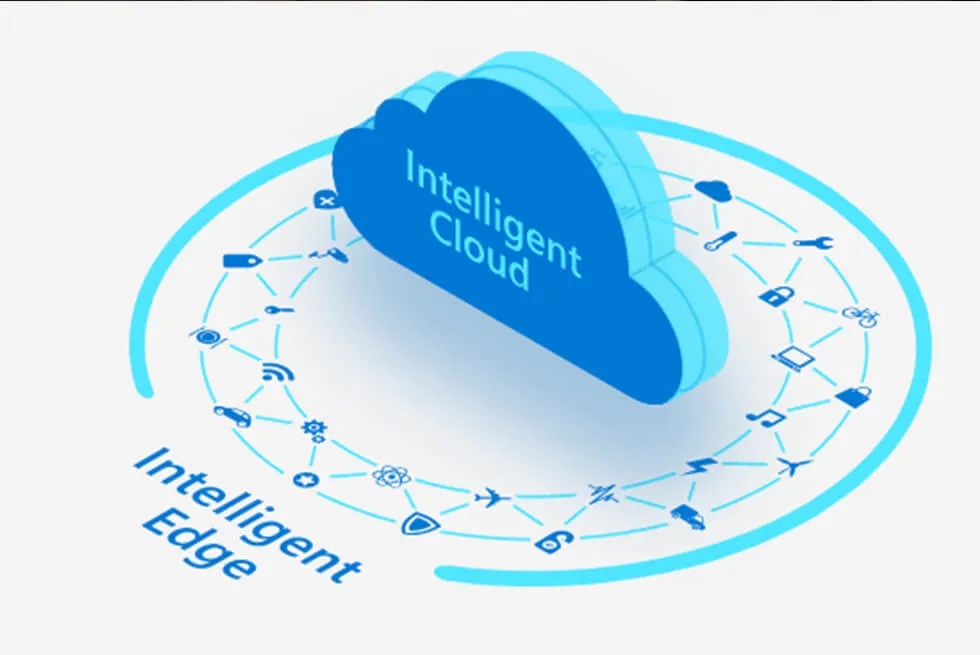
Edge computing brings compute closer to where data is created. It reduces latency, lowers bandwidth usage, and supports real-time decisions. Cloud still plays a central role by training models, managing fleets, and aggregating insights.
Investment signals strong growth. IDC research reported by Computer Weekly projects edge spending could reach $380bn by 2028 as organizations expand real-time analytics and automation. That growth links directly to IoT, vision AI, robotics, and connected operations.
Intelligent edge also changes system design. Teams split workloads by time sensitivity. They run inference at the edge for fast action. Then they send summaries to cloud platforms for learning, reporting, and governance.
A smart factory example shows the pattern. Cameras and sensors feed edge gateways that detect defects in seconds. The gateway triggers alerts and stops the line when needed. Meanwhile, the cloud stores labeled samples and improves the model over time.
To prepare, teams should standardize edge runtime stacks and update processes. They should also plan secure device identity, patching, and remote attestation. Otherwise, edge sprawl will create new security and reliability risks.
8. Multi-Cloud and Cloud Resilience Strategies
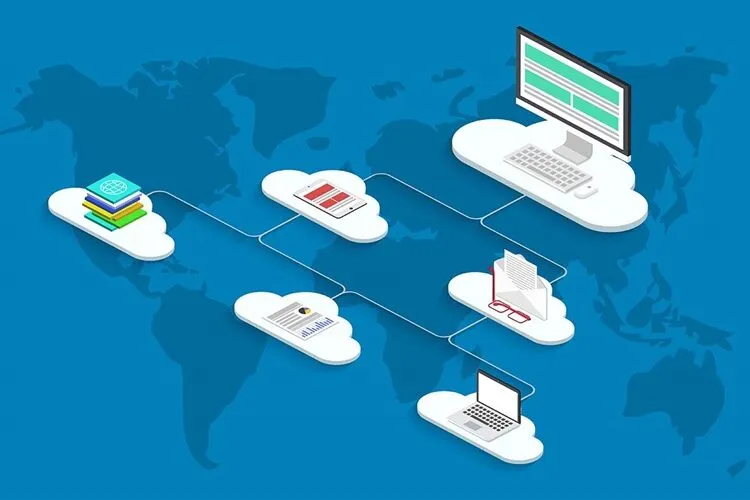
Multi-cloud now means more than using two providers. It also means using SaaS platforms, private cloud, and edge nodes together. This reality pushes teams to design for portability, resilience, and consistent controls.
Deployment patterns show how widespread this is. F5 reports 94% of organizations deploy apps across multiple environments, which highlights how rare a single-environment strategy has become. That complexity creates both risk and opportunity.
Resilience is the main reason many teams invest here. They want stronger disaster recovery. They also want leverage in vendor negotiations. In addition, they want to place workloads where performance and compliance fit best.
Modern resilience strategies rely on a few building blocks. Kubernetes helps standardize runtime behavior across environments. Service meshes help control traffic and policy. Infrastructure as code helps rebuild stacks quickly and consistently.
Data strategy matters even more than compute. Teams should classify which datasets need active-active replication. They should also define recovery targets for each system. Then they should test failover with realistic traffic and dependencies.
Multi-cloud can improve uptime, but only with discipline. Teams need unified identity, unified logging, and clear ownership. Without those, they will trade one risk for another.
Challenges Facing the Cloud Industry
Many organizations still struggle to capture cloud value. They migrate workloads, yet they keep old processes and unclear ownership. That mismatch creates cost spikes, security gaps, and slow delivery.
Expectations also collide with reality. Gartner predicts 25% of organizations will have experienced significant dissatisfaction with their cloud adoption by 2028, which signals a real execution gap across strategy, skills, and cost control. This frustration often comes from rushed migrations and weak operational readiness.
Complexity grows as teams add AI, edge, and multi-cloud layers. Observability becomes harder because signals scatter across tools. Security becomes harder because identities and permissions multiply. Governance becomes harder because data spreads across services and vendors.
Energy and capacity constraints create another challenge. AI workloads compete for compute, network, and power. So, teams must plan for quotas, region capacity, and hardware availability. They also need stronger workload prioritization so critical services keep resources.
Skills remain a constant bottleneck. Cloud engineering needs platform thinking. Security needs modern identity and policy skills. Finance needs cloud unit economics. These gaps slow adoption and raise operational risk.
How Organizations Can Prepare for Cloud Industry Trends
Preparation starts with clarity. Define what “good” looks like for cost, risk, and speed. Then connect those goals to measurable platform outcomes.
First, build a reference architecture that matches your business model. Standardize landing zones, identity patterns, and network segmentation. Also, define guardrails for data, keys, and workload placement.
Next, treat governance as a product. Create simple rules that teams can follow. Automate enforcement through policies and templates. Then publish clear exceptions and review paths.
Also, invest in platform engineering. Provide paved roads for compute, data, and AI services. Make security and logging default. Reduce choices where choice creates chaos.
Cost discipline needs the same rigor. Set a unit-cost model per product or service. Assign owners and budgets. Then use automation to stop idle waste and catch anomalies early.
For sustainability, bake efficiency into delivery. Right-size workloads as part of release cycles. Reduce storage sprawl with lifecycle rules. Choose regions and services that align with your reporting needs.
Finally, test resilience like you test features. Run game days, failovers, and incident drills. Validate restore processes for data and identity, not only compute. When teams practice, they respond faster when outages hit.
Cloud leaders can no longer treat platforms as static infrastructure. These cloud industry trends push architecture, security, finance, and sustainability into one connected discipline. Teams that standardize foundations, automate governance, and plan for resilience will move faster with less risk. Use the cloud industry trends above as a roadmap, and you can turn cloud change into a lasting advantage.
Conclusion
Cloud moves fast, so teams win when they act on the right signals. Our goal at Designveloper is to help you turn these cloud industry trends into real systems that stay secure, efficient, and ready to scale. We started as a Vietnam-based product partner and have grown since formed in 2013 with a delivery team sized for complex builds at 51-200 employees.
We build cloud-ready web and mobile products, and we also cover UI/UX, QA, and long-term maintenance. When you need cloud expertise, we support AWS consulting and delivery at an average engagement rate of $25 – $49 / hr. That mix helps you modernize legacy apps, ship new features faster, and keep costs predictable.
Our portfolio shows how we handle real-world scale and uptime. HANOI ON launched on July 10, 2024 as a unified platform across web, mobile, and TV for Hanoi Radio and Television. We also build solutions like WorkPacks for construction workflows and ODC for healthcare booking and patient services. If you want a practical roadmap for 2026, we are ready to design, build, and run the cloud foundation behind it.


