


Mobile app development is on the rise. And many companies are adopting advanced technologies – let’s say artificial intelligence, Internet of Things (IoT), and more – and key trends to make their mobile apps trendy and meet user demands. Do you want to know the top mobile app development trends shaping the future? You’ve come to the right place. Keep reading, and let’s discover!
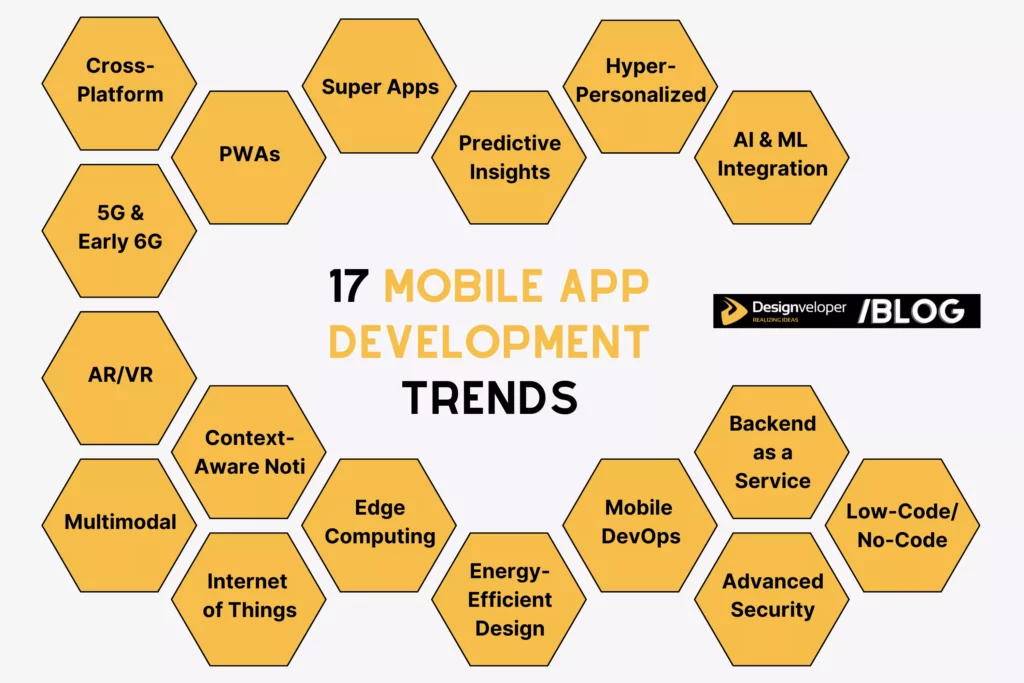
Top 17 Mobile App Development Trends for 2026
In this section, you’ll learn about the best emerging trends that shape the future of mobile app development.
1. Artificial Intelligence (AI) and Machine Learning in Apps
Look, AI and machine learning aren’t just some fringe tech anymore; they’ve absolutely become mainstream in mobile app development. It’s everywhere, from your smart recommendations to sophisticated, actual conversational interfaces.
And by 2026, you see, this trend hasn’t just accelerated. It’s kind of gone exponential, thanks largely to the breakthroughs we’ve seen in generative AI and, just as crucially, the public is finally comfortable with these AI-driven features.
The high-profile example everyone keeps talking about is the ChatGPT mobile app, which became one of the most downloaded apps basically overnight after it launched. That really shows the undeniable demand for powerful AI capabilities, you know, on-the-fly.
Beyond the big conversational models, AI’s presence is subtle but vital. It appears in personalized content feeds, like how TikTok’s predictive capabilities know what weird video you want to see next before you even do or in simple voice assistants and chatbots.
And don’t forget the more serious stuff: healthcare apps are using AI to analyze symptoms faster than a human could, or the powerful fraud detection we’re seeing in finance apps. With frameworks like TensorFlow Lite or Core ML enabling truly smart, on-device AI, developers aren’t just building apps anymore, but smarter, more adaptive partners.
2. Hyper-Personalization Applications
Modern apps have access to a wealth of data about user behavior and preferences. And what is this for? With those digital fingerprints, the apps can shift from “we know what you did” to “we know what you’ll do next.” This is what we call Hyper-Personalization.
With this trend, the entire app experience feels uniquely tailored. By constantly analyzing past actions, engagement patterns, and maybe even external data points (like the weather or the time of day), apps are getting seriously good at anticipating user needs and acting on them before the user even has to ask.
Take a music streaming app Spotify as an example here. They aren’t just shuffling songs; their system is almost clairvoyant. It learns your taste profile so deeply that it can predict what new track or playlist you might enjoy, serving up a “Discover Weekly” mix that feels like it was curated by a DJ who happens to be your best friend.
Same thing for e-commerce, where apps are using this sophisticated personalization to recommend products you are most likely to buy, even before you initiate the search. Amazon’s recommendations engine is, of course, famous for this. They’ve basically turned browsing into a highly personal, slightly terrifying experience.
3. Analytics-Driven Apps & Predictive Insights
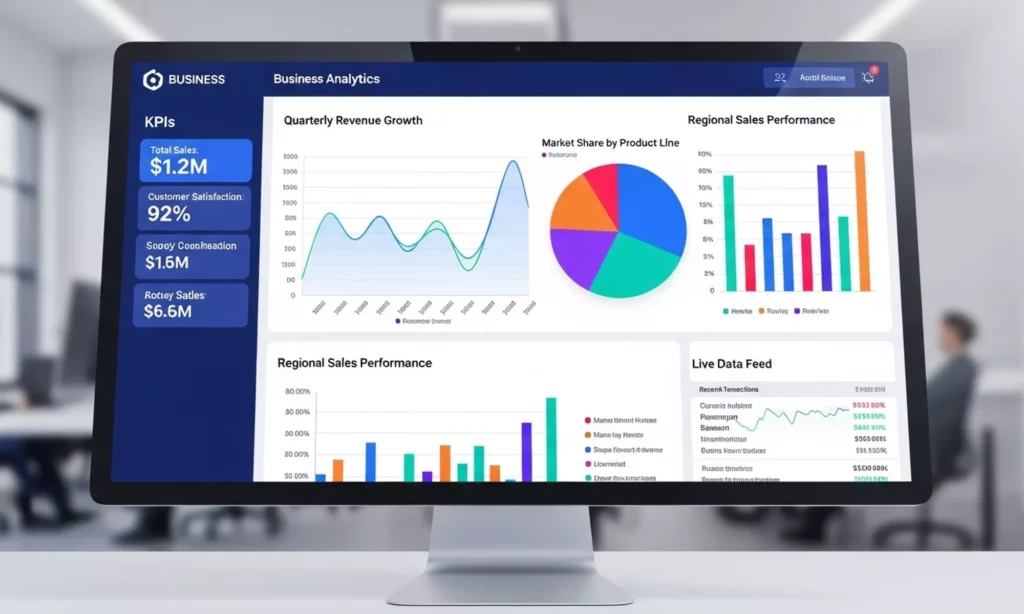
This is the mechanism of what we just discussed – the powerful engine that runs personalization: Analytics-Driven. If Hyper-Personalization is the user-facing result, then Predictive Analytics is the fuel. It’s about taking mountains of raw data and using models to interpret it and forecast future events.
Video streaming services are an awesome case study. Netflix isn’t just recommending which show to watch; they’re using those powerful predictive models to decide which thumbnail image to display for each individual user just to maximize the click-through rate and watch time.
But it goes beyond entertainment. Another incredibly powerful use case, and one that’s booming for 2026, is predictive maintenance.
Think of apps connected to smart vehicles or devices. An app for your smart car could warn you that your battery is likely to fail soon based on subtle sensor data trends.
In finance, apps are leveraging these analytics to monitor your spending habits to predict potential cash flow issues or suggest budgeting tips ahead of time. Or a health app might prompt you to take a break if its analysis predicts fatigue from your activity data.
4. Advanced Mobile Security, Data Privacy & Zero-Trust Models
Look, with our growing reliance on mobile apps for, well, everything – banking, your health records, sensitive work communication – security and privacy are absolutely not optional anymore. They’ve moved right to the very top of the list for mobile app development trends in 2026. Every serious developer is now prioritizing app security as a core, non-negotiable feature.
Why the urgency? Alarming statistics and, honestly, just user awareness. Zimperium found that attackers are adopting mobile-first attacks, with mishing (mobile-targeted phishing) as the top threat for both iOS (54%) and Android. High-profile data breaches via insecure apps have made headlines too many times, and when companies fail to safeguard data, user trust is the first thing that just evaporates.
So, how are developers fighting back? It’s a multi-pronged attack.
- We’re seeing mass adoption of stronger measures like end-to-end encryption for messaging apps (think WhatsApp or Signal), and biometric authentication (fingerprint or face unlock) is mandatory for anything sensitive. Developers are integrating with hardware-backed security modules, and you know, constant, quick security updates are just table stakes now.
- On the enterprise side, the industry is really starting to embrace the Zero-Trust Model. It’s the idea that you trust nothing and verify everything.
- For mobile apps, every single request, every access attempt needs verification. This feature is being built right into enterprise apps, alongside Mobile Device Management solutions, protecting against data leaks when employees inevitably use their personal phones for work stuff.
- App stores themselves have tightened their policies, requiring way more transparency from apps about what data is collected and how it’s used—like Apple’s famous Privacy Nutrition Labels.
5. Super Apps and Mini Apps
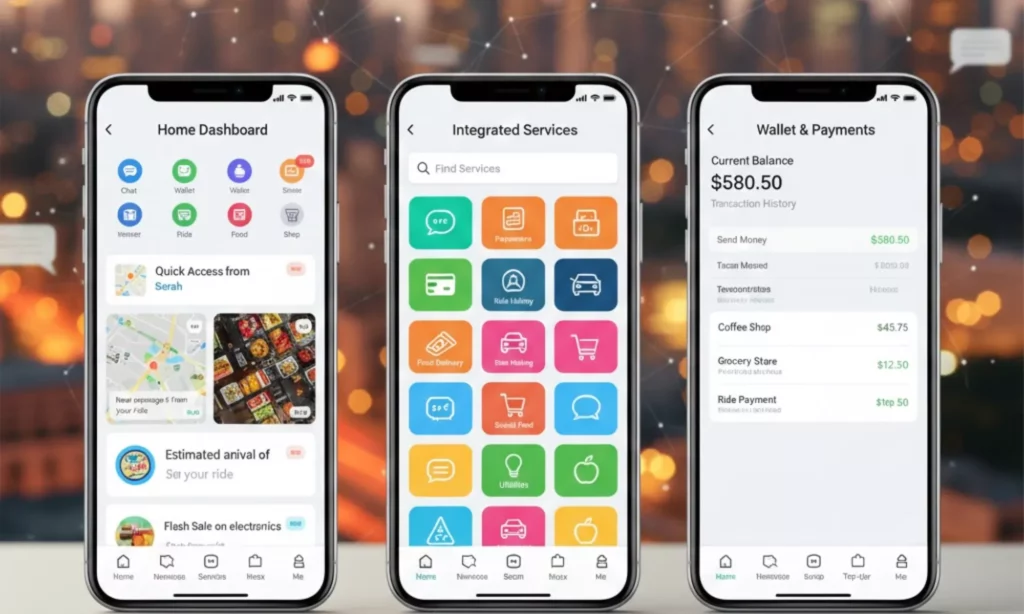
Another mobile app development trend you shouldn’t ignore is Super Apps. These are all-in-one mobile apps that just pack a suite of services into a single platform. We’re talking messaging, social media, payments, shopping, ordering food, maybe even ride-hailing, all under one roof.
The concept started in Asia, obviously, with absolute pioneers like WeChat and Alipay. In WeChat, for example, you can literally do everything from chatting with friends to paying your electricity bills and booking a doctor’s appointment without ever leaving the app.
Now, in 2026, this powerful, consolidated model is spreading globally. The numbers don’t lie. According to the data, the user base for Super Apps is projected to reach a massive $3.5 billion by 2025, reflecting this huge consumer appetite for multi-functional apps.
The thing that makes these Super Apps work isn’t just the main app itself, but the ecosystem of Mini Apps they host. These are small, lightweight applications developed by third parties that run inside the Super App platform, almost like browser tabs. It’s what allows WeChat to host a million different services without becoming a huge, clunky mess.
6. Growth of Progressive Web Apps (PWAs)
For a long time, PWAs felt like a budget option, but that’s really changing now. They’re quickly becoming the strategic default for many companies. Why? Primarily because you get one codebase, which translates to way lower development and maintenance costs (who wants two separate dev teams, honestly?).
Plus, they load fast. PWAs have higher conversion rates and far better user engagement because they load so much quicker than traditional mobile sites, especially on slower connections.
The market is huge, too; reports project that the PWA market is going to keep surging with a strong CAGR well (29.9% from 2025 to 2033), driven especially by e-commerce and media companies who really need that speed and massive reach.
7. Cross-Platform & Multi-Device Ecosystems
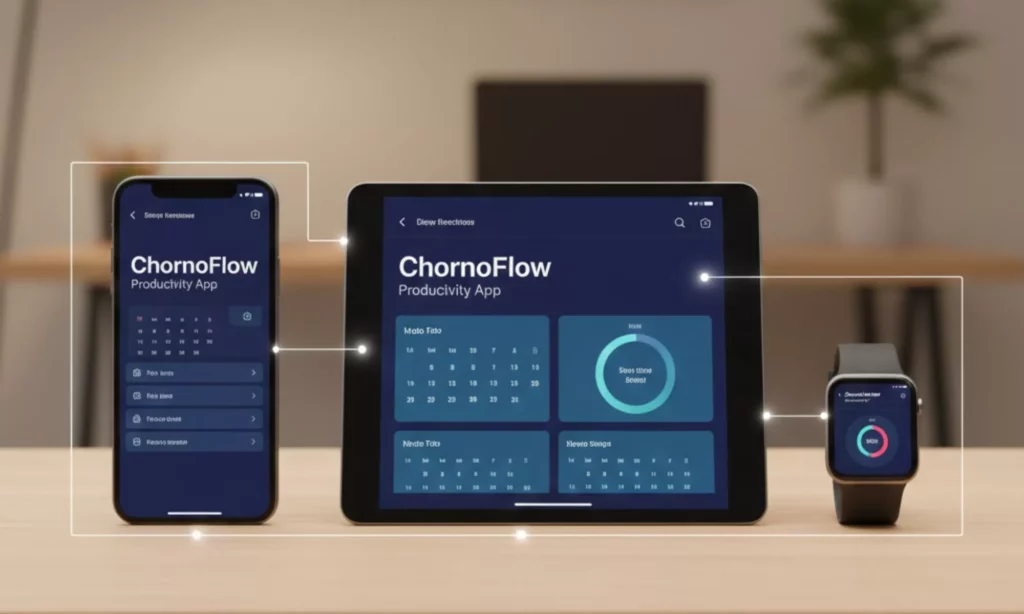
Cross-platform development is another notable trend in mobile app development. Developers have used React Native, Fluter, and other modern technologies to build one codebase for any platform. It’s convenient and cheap compared with native app development, but what you have to trade off is a bit slower performance.
Why does this trend become popular? Building separate apps for iOS and Android is truly costly, slow, and a bit hard to maintain. If you want to perform long-term maintenance, you have to identify and fix bugs in two separate codebases, increasing costs and resources.
So, why don’t you just have a single shared codebase? This significantly reduces development time and helps companies of all sizes strategically keep branding consistent and promote a unified user experience across devices. Devices here aren’t not confined to iOS and Android, but expand to desktops, smart TVs, smartwatches, and AR/VR headsets.
8. 5G and Early 6G Utilization for Ultra-Low-Latency Apps
5G networks appear, offering faster connections over 4G. This advanced technology enables faster data speed and reduces network delays, hence becoming a powerful feature for apps that require ultra-low latency, typically video streaming, video calling, and cloud gaming.
Ericsson forecasts that 5G will account for over 84% of mobile data traffic in 2026. Factors like the rise of apps built for AR/VR and multimodal GenAI fuel the growth of 5G connectivity in mobile apps. While 4G-based apps struggle to handle rich-AR apps, 5G can bring truly immersive, on-the-go experiences. For this reason, playing real-time multiplayer games becomes more effortless.
Looking toward the future, we’ll see that the tech world is gearing up for 6G, which is, however, in the trial and testing phase. It’s not until the last quarter of 2029 that 6G can be commercially adopted, according to Ericsson.
Accordingly, 6G networks are expected to improve the services that 5G already supports, including eMBB (enhanced mobile broadband) and FWA (fixed wireless access).
Beyond that, 6G will become smarter by allowing mobile app developers to access newer types of APIs that are not only for connectivity but also for devices, servers, AI, and computing. With this capability, 6G will support more IoT devices, improve personal experiences, serve more crucial services (e.g., healthcare), and more.
9. Augmented Reality (AR) and Virtual Reality (VR)
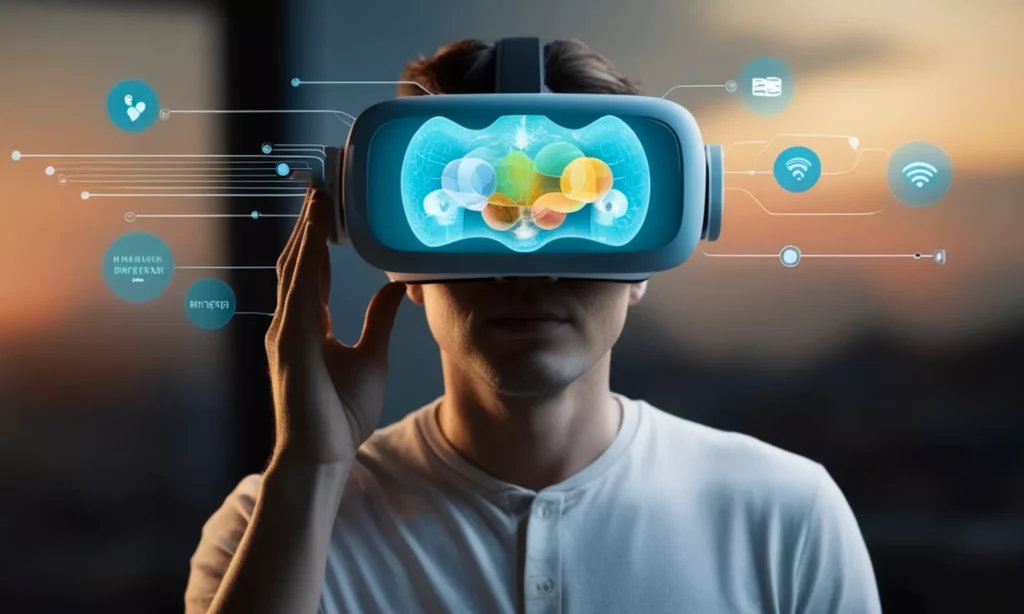
The blending of the digital and physical is not some sci-fi pipe dream anymore. AR and VR features in mobile app development are now actually becoming a pretty common trend, creating these truly immersive experiences.
Do you know that the number of AR mobile users is set to reach about 1.1 million by 2026? That includes everyone using AR on their phones (like AR-enabled shopping) and those using new AR glasses or VR headsets in sync with their mobile devices.
Developers are heavily experimenting with mixed reality now. Apple’s Vision Pro and the ongoing expansion of ARKit have seriously sparked interest in apps that can seamlessly shift: maybe you start with some simple AR on your phone, then step into a headset for a deeper, shared mixed reality experience. This shift means use cases are expanding rapidly.
We’re also seeing powerful AR apps in healthcare (think AR overlays for surgeons or interactive patient education) and even in industry (AR for maintenance and complex training). The AR advertising market is growing too. Accordingly, you interact with 3D ads right through your social media app.
The key thing here is that the tech has really matured. Frameworks like ARCore (Android) and ARKit (iOS) make it so much easier to develop reliable, robust AR features. And newer devices now include advanced sensors like LiDAR to support incredibly accurate depth sensing.
10. Multimodal Interaction (Voice, Text, Vision, Gesture)
We’ve interacted with mobile apps mainly using our fingers. That’s “unimodal” and has some limitations. Imagine you’re driving a car and can’t take hands off the steering wheel to find directions on Google Map? This time, you may wish to have a voice assistant to help you manipulate some actions on the app.
Now, it’s not a fiction. The latest advancements in AI models like ChatGPT or Google Gemini has blown a new massive wave to mobile apps: Multimodal Interaction. You can use multimodal inputs, including voice, text, vision, and even gesture to do some manipulation on apps.
Many apps now enable multimodal interactions. Let’s say Google Map allows you to ask the Google Assistant for hands-free navigation, or FitBit’s “Screen Wake” function turns the display on when you lift or turn your wrist (this is known as gesture-based interactions). Further, Snapchat’s AR lenses allow users to create AR experiences using vision technology and gesture inputs.
11. Context-Aware Notifications & Intelligent Flows
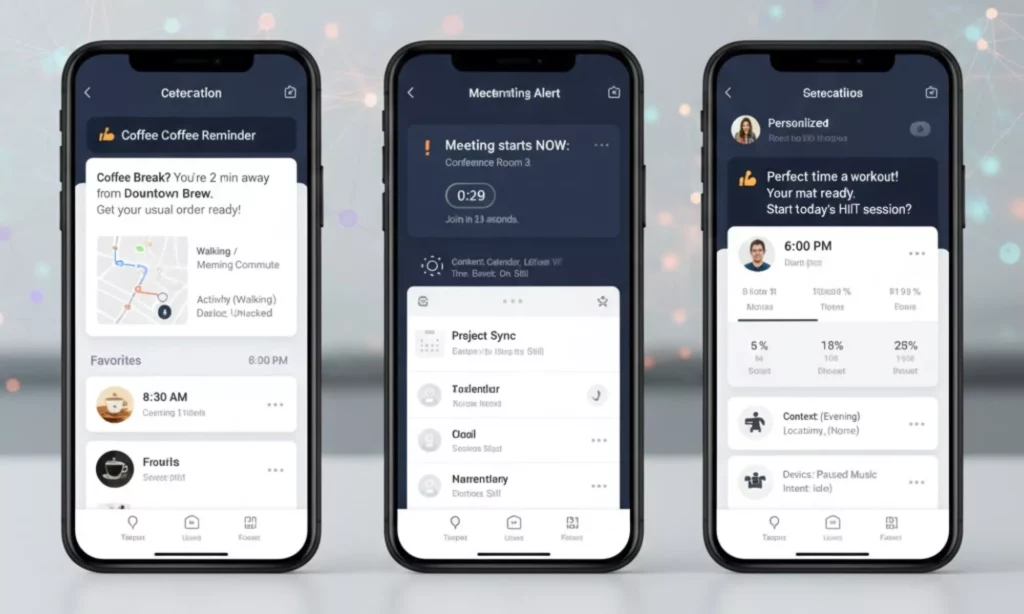
Remember those truly annoying, poorly timed notifications? The ones that pinged you to buy coffee when you were already miles away from the store, or told you about a meeting five minutes after it started? That’s what happens when notifications aren’t context-aware.
With on-device machine learning and sensor fusion, many modern mobile apps can truly understand a user’s real-world context. In other words, they can intelligently combine data points – like precise location, time of day, device status, and even your active intent (e.g., walking, sitting down, or driving) – to deliver personalized and smartly-timed notifications.
This level of hyper-personalization in notifications ensures that the right information will reach users at the right time, hence increasing user retention and experiences. This makes context-aware notifications a mobile app development trend you cannot miss in 2026.
12. Internet of Things (IoT) Integration Apps
$23.9 billion connected IoT devices and a global revenue soaring past the half-trillion mark—we’re talking $694.1 billion by 2026. Think about that for a second. That number is staggering, we mean.
Actually, your smartphone, the device you’re probably holding right now, it’s fundamentally shifting its role. It’s not just a communication tool anymore, but suddenly the nerve center. You can pre-cool your house on the drive home, monitor sensitive health data from a wearable, or check on the smart lock after you’ve left the office.
This transformation seems poised to completely restructure how users interact with the physical world. While the app is always the key interface, prioritizing robust, secure connected device functionality is rapidly moving from “nice-to-have” to a must-do for many developers. It enables crucial smart automation and helps process real-time data from industrial sensors or home security systems to, potentially, make informed decisions instantly. You really can’t afford to ignore it.
13. Edge Computing & On-Device Processing
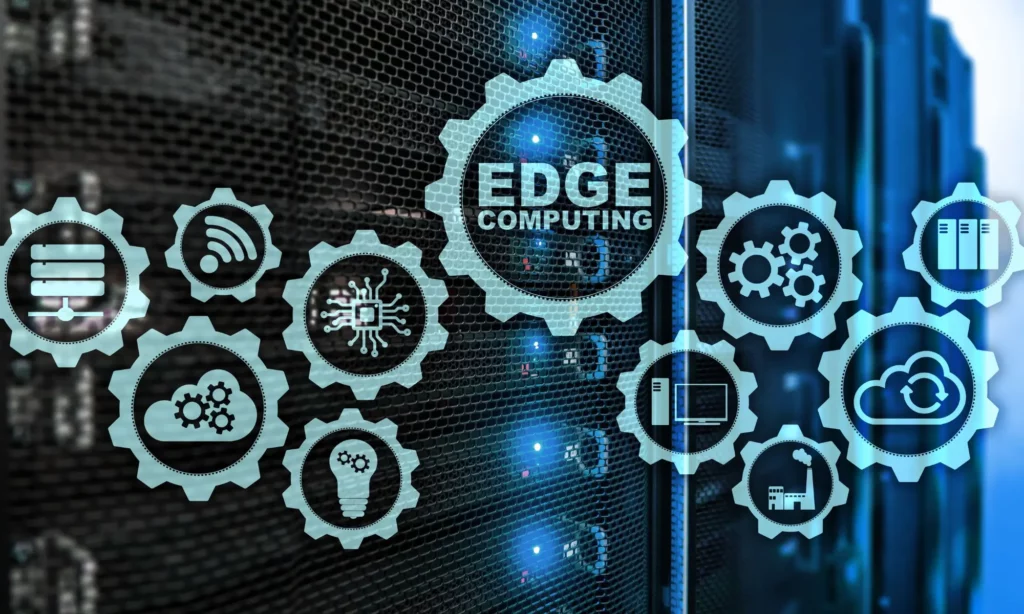
Okay, so we’ve talked about 5G and those ultra-low-latency apps. But here’s the actual technology that makes that speed useful: Edge Computing and On-Device Processing.
For years, the mantra was “Cloud-First”; it’s all about sending data up to a huge server farm hundreds of miles away, processing it there, then finally sending the result back. It was fine, sort of, but honestly, for really data-hungry apps? It introduced noticeable, frustrating delays. It’s just not practical anymore.
Now, in 2026, the strategy is completely shifting to decentralization thanks to edge computing and on-device processing. They basically mean moving the processing power way closer to the actual user – like, to the nearest servers or your smartphone, instead of a distant data center.
This significantly shaves off that travel time, which we call latency. And it’s absolutely critical for things like truly real-time AR/VR experiences, instant fraud detection in finance apps, or even just ultra-quick image processing.
14. Sustainability and Energy-Efficient App Design
In recent years, we have heard of Sustainability and Energy-Efficiency in fashion, e-commerce, manufacturing, and now in mobile app development.
What does sustainable design mean to mobile apps? Every code line you write and every server call an app makes can release carbon emissions through the computing power it consumes. This is what we call “digital carbon.” And for a massive number of apps and mobile users globally, the cumulative impact is truly profound.
In 2026, developers tend to deliberately create lightweight and energy-efficient apps. They reduce unnecessary animations, optimize network requests to run in batches instead of constantly pinging servers, use darker colors in specific modes (which actually conserves battery on OLED screens), and smartly use on-device processing to reduce reliance on distant, data-hungry data centers.
Meanwhile, users also start loving lightweight apps more. They are aware that heavy apps are constantly heating up their phone and draining their battery, giving bad experiences and leading to uninstalls. Therefore, focusing on lightweight apps with sustainable design helps reduce energy consumption, boost user experiences, and benefits the environment.
15. Mobile DevOps and CI/CD Automation
Do you want to ship fast and stay competitive? If so, consider Mobile DevOps and CI/CD Automation.
The days of manually moving code from development to testing and production are gone. With CI/CD Automation (Continuous Integration/Continuous Delivery), automated systems will handle the code you commit every time. They compile the code, run a set of tests, and package the app for delivery.
This significantly reduces manual errors, catches potential bugs instantly, and lets your team to release updates faster.
For example, imagine a major security vulnerability surfaces. With a mature Mobile DevOps pipeline, you can fix it, test it, and push it live globally while your competitor is still asking their QA team to check the manual build. It’s a huge competitive advantage, and that seamless, automated flow is just table stakes now for any scaling team.
16. BaaS Adoption for Faster App Delivery
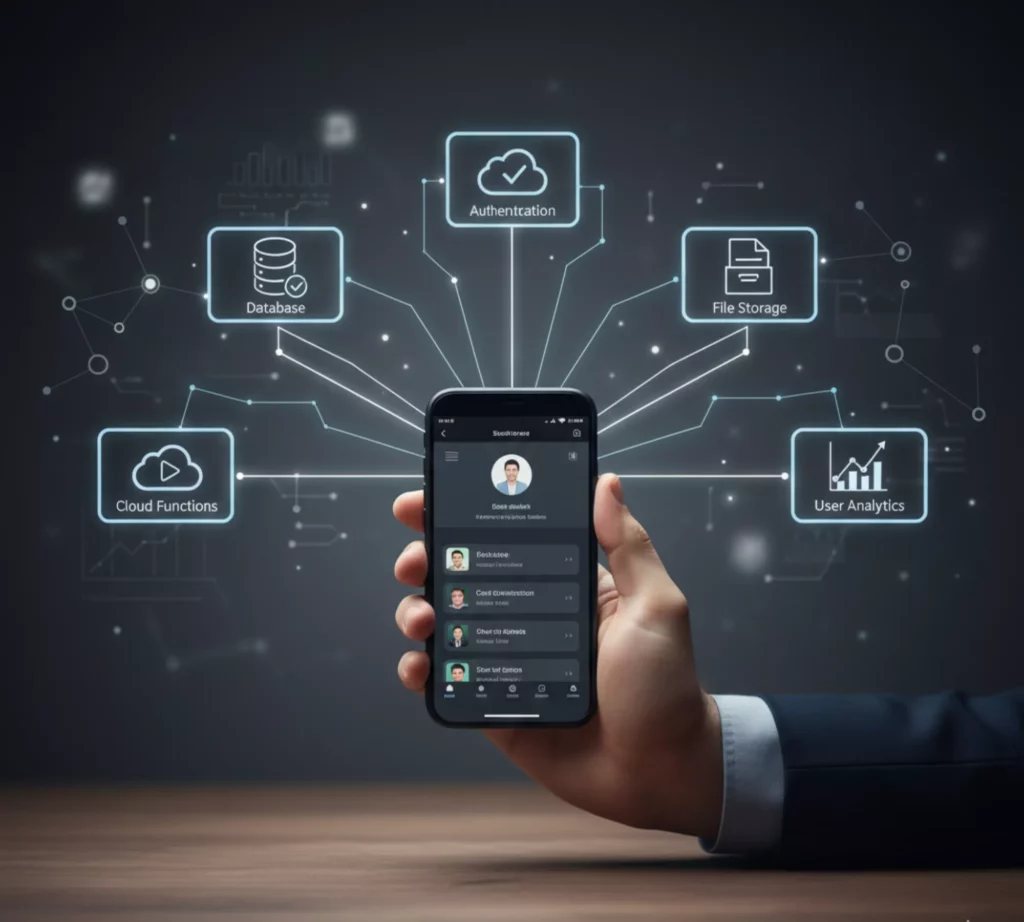
Building and maintaining the back-end infrastructure is one of the biggest bottlenecks when launching a new app. It’s tedious, truly resource-intensive, and distracts developers from actually focusing on the unique, user-facing part of the app.
That’s why BaaS (Backend as a Service) is absolutely booming. BaaS platforms – think Firebase, AWS Amplify, or Azure Mobile Apps – provide developers with pre-built, instantly scalable back-end services. These typically include user authentication, cloud storage, real-time database capabilities, and push notifications, all accessible via really easy-to-use SDKs.
Instead of spending months coding and scaling servers, you can set up a full, robust back-end in a matter of days. This significantly speeds up the time-to-market.
17. Low-Code/No-Code & Modular Development
To cap off our list, we have a trend that’s fundamentally changing who can be a developer: Low-Code/No-Code (LCNC) tools combined with Modular Development. Traditionally, writing an app required a deep, deep understanding of Swift or Kotlin.
But with LCNC platforms, almost everyone can become an “citizen developer.” They allow users to build functional apps using drag-and-drop interfaces and visual tools. This is beneficial for those requiring internal enterprise apps, rapid prototyping, or small business solutions that really need to get digital quickly.
But remember that LCNC is not going to replace the expert developer. It’s forcing expert developers to build apps in a modular, component-based way. This means creating reusable modules—like pre-built sign-in components, payment integration blocks, or specific data handling components.
This modularity allows the expert developer to focus on the truly complex, unique logic, while LCNC tools can assemble and deploy the standardized pieces rapidly.
How Mobile App Development Trends Are Shaping Different Industries
The trends we’ve outlined, from AI Integration to Edge Computing, are fundamentally rewriting the rules for how different sectors operate. It’s not about if these technologies will impact industries, but how fast those impacts are actually happening.
Impact on Retail and E-Commerce
Retail has always been about speed, right? Mobile apps are essentially the storefront, the customer service desk, and the warehouse manager all rolled into one. The major shift here is definitely driven by Hyper-Personalization and AR.
E-commerce apps are no longer just showing you a passive catalog; they’re acting like digital personal shoppers, actually. They use Predictive Analytics to anticipate what you want to buy next and lure you back with a perfectly timed, Context-Aware Notification tailored just for you.
And then there’s AR. Customers don’t just look at a photo of a couch; they can use their phone’s camera and an Augmented Reality overlay to literally place the 3D model of that couch in their own living room to see how it fits. This significantly reduces returns and seriously boosts buyer confidence.
Impact on Manufacturing and Industrial IoT (IIoT)
In IIoT, mobile apps are the key interface for monitoring sprawling industrial ecosystems, which are incredibly complicated.
One of their biggest benefits in this domain is Predictive Maintenance. Apps connected to industrial sensors collect massive amounts of data.
They then use AI and ML to analyze that sensor data and warn technicians – via an incredibly fast, secure mobile app – that a specific machine part is likely to fail in a specific time. This shifts maintenance from reactive (fixing things after they break) to proactive (fixing things before they cause a costly shutdown).
Impact on Government and Public Services
Government services often get a bad rap for being slow and clunky. But mobile app development trends are finally making a dent in that. How?
Many services are being consolidated into single, easy-to-use platforms. Think about applying for a license, paying a parking ticket, or scheduling a municipal service. Instead of logging into five different, confusing websites, citizens can access these features via a secure, single portal.
By focusing heavily on security, government agencies guarantee both convenience and high-level data protection for accessing sensitive records. Besides, government mobile apps integrate AI chatbots to answer questions about public services 24/7, process applications, and direct citizens to the right information.
Impact on Healthcare
If there’s one sector being radically transformed by these trends, it might just be healthcare. We’re definitely moving toward a model where patient care is happening outside of the clinic walls, all driven by the smartphone.
IoT Integration with wearables (like smartwatches and health patches) is turning apps into continuous health monitors. They passively collect vital signs and activity data. AI and ML then analyze this data to identify subtle health trends or anomalies and alert the patient and/or physician. These apps integrate security best measures to ensure that sensitive health data stays private and is analyzed instantly without a constant connection.
We’re also seeing Multimodal Interaction used for telehealth, where a patient can use voice, video, and maybe even send a photo of a rash to a doctor simultaneously. This shift toward highly personalized, preventative, and always-on care is drastically improving patient outcomes.
What to Expect in Mobile App Development in 2026
So, there you have it: 17 amazing trends that are completely reshaping the landscape of mobile app development.
If we had to boil down the whole thing, the future of mobile truly seems to come down to three key pillars that you should memorize:
- Invisible Intelligence: This is the shift where apps stop being just passive tools and become proactive partners. Think Hyper-Personalization running on Predictive Insights, powered by On-Device AI and Edge Computing. The apps know what you need before you do, and they process the data privately and instantly, which is kind of the holy grail of UX.
- Boundaryless Experience: Super Apps and PWAs offer unified services, while Cross-Platform codebases ensure everything runs everywhere. Further, Multimodal Interaction allows us to talk, point, and see our way through the digital world.
- Sustainable Velocity: We can achieve faster development and delivery, thanks to BaaS, Low-Code/No-Code, and Mobile DevOps, while maintaining strict Advanced Security and embracing Sustainability as a core coding principle.
Trying to navigate the rapid, constant evolution of app development? Partner with Designveloper to change your future.
We’re a leading mobile app development company in Vietnam, and our whole approach is frankly built to make your app effective and scalable. We don’t just write code; we specialize in architecting secure, scalable, and context-aware applications from the ground up, making sure they last.
Do you need to strategize your move from a legacy native app to a powerful PWA, integrate powerful Multimodal AI into your customer service flow, or completely overhaul your development process with a full CI/CD automation pipeline? Regardless of your need, we have the expertise and the developers who live and breathe this stuff.
Ready to stop chasing trends and start setting them? Contact us now and transform your app development!


