

Choosing the right small business ideas starts with a simple goal. You want steady demand, clear buyers, and a path to profit that matches your skills.
Market conditions help new founders. Small and medium enterprises remain the backbone of many economies, representing around 90 percent of all businesses across the world. That scale creates constant needs for better tools, faster service, and smarter operations.
This guide groups practical small business ideas by trend. Each category fits a different budget, lifestyle, and risk level. Start with the category that matches your strengths. Then validate with real customer conversations.
AI and Technology-Driven Small Business Ideas

AI demand keeps rising across industries. A global survey found 65 percent of respondents say their organizations regularly use gen AI. That shift creates room for service providers who can plan, build, and maintain AI-enabled workflows.
1. AI Implementation for SMEs

Many small teams want AI, yet they feel stuck. So this is one of the best small business ideas you can take on right now. You can sell a clear rollout plan. You can map tasks, pick safe use cases, and set simple rules for data and quality. Then you can train staff with short playbooks. Start with support tickets, sales emails, and internal search.
- Offer an “AI readiness audit” with clear next steps.
- Package training into role-based guides and templates.
- Include monthly check-ins to keep results consistent.
2. SaaS Micro-Products

Micro-SaaS solves a narrow pain for a specific niche. That focus helps you build faster and market smarter. Pick a segment you understand, like clinics, salons, or small warehouses. Then ship a simple tool that saves time or reduces errors. Keep features tight and pricing clear.
- Validate by interviewing operators and managers.
- Launch with a waitlist and a short demo video.
- Improve based on usage data and support requests.
3. Automation Agency for Business Processes

Teams waste hours on manual handoffs. You can automate repeat tasks across sales, finance, and support. Start with simple workflows like invoice reminders, lead routing, and appointment follow-ups. Then add monitoring so clients trust the system. This model fits founders who like systems thinking.
- Sell “process mapping” before you sell automation.
- Build reusable workflow modules for faster delivery.
- Charge a setup fee plus a monthly support plan.
4. Data Analytics Services for SMEs
Small teams often track performance in scattered sheets. You can unify data into dashboards that drive daily decisions. Focus on a niche so your metrics feel familiar. For example, retail needs inventory and sell-through views. Service firms need utilization and margin views.
- Start with a KPI workshop and a data cleanup plan.
- Build a dashboard that updates on a fixed schedule.
- Teach teams how to read charts and take action.
5. Cybersecurity Services for SMBs
Security matters for every business with customer data. Breaches cost money, time, and trust. Industry research puts the average global breach cost at USD 4.88 million, which makes basic protection a smart buy. Offer a practical package with clear outcomes, not fear.
- Run security checkups and fix high-risk gaps first.
- Set up access control, backups, and staff training.
- Provide incident response steps in a simple guide.
6. Prompt Engineering and AI Workflow Design Service
Good prompts save time and reduce rework. Many teams struggle to make AI outputs consistent. You can create prompt libraries, review guidelines, and quality checks. Then you can connect prompts to repeat workflows like content drafts, call summaries, and internal research.
- Build role-based prompt packs for sales, HR, and support.
- Define a review process that catches errors early.
- Deliver a playbook so teams keep improving after launch.
7. Virtual Reality Events
Virtual events still need novelty to stand out. VR adds immersion for product launches, training, and brand experiences. You can plan the event, design the environment, and manage hosts. Then you can offer recorded sessions and reusable spaces for future events.
- Target industries that need demos and training.
- Create a “showroom” environment clients can reuse.
- Bundle onboarding so attendees feel comfortable fast.
8. Digital Twin Creator
Digital twins help owners monitor assets and plan maintenance. Many buildings and factories want better visibility. You can model spaces, link sensor data, and create simple views for operators. Start with smaller sites where ROI is easy to explain, like warehouses or retail chains.
- Offer scanning, modeling, and documentation as a starter package.
- Add monitoring features for ongoing revenue.
- Build templates for repeatable site types.
9. AI Chatbot Development for Customer Support
Support teams want faster responses and fewer repetitive tickets. You can build chatbots that answer FAQs, collect details, and route issues. Focus on accuracy and escalation rules. Then measure outcomes like faster resolution and better customer satisfaction.
- Start with a knowledge base cleanup and structure.
- Set clear “handoff to human” triggers.
- Monitor conversations and refine weekly at first.
10. AI-Powered Marketing Optimization Services
Marketing teams need better targeting and stronger creative testing. You can set up AI-driven experiments for ads, emails, and landing pages. Start with audience research and message mapping. Then run structured tests and keep what works.
- Offer a monthly “test plan” with clear hypotheses.
- Improve copy, offers, and segmentation over time.
- Deliver reports that tie results to revenue drivers.
11. Subscription-Based AI Tools for SMBs
Many small firms want simple AI tools without heavy setup. You can build a subscription service that bundles templates, automation, and support. Think of it as “AI operations in a box.” Keep onboarding short. Keep updates frequent. Then grow through referrals inside a niche.
- Bundle a library of workflows for a single industry.
- Include help desk support to reduce churn.
- Improve the product through customer feedback loops.
Online Small Business Ideas

Online business keeps expanding, and buyers expect speed and convenience. UN trade research shows business e-commerce sales grew to $27 trillion, which signals massive ongoing demand for online-first offers.
1. Niche eCommerce Store

A niche store wins through focus. You pick a clear buyer persona and a tight product set. Then you build trust with education and customer support. Start with products you can explain well, like hobby gear, specialty foods, or home organization.
- Create content that answers buyer questions.
- Offer bundles to raise average order value.
- Use feedback to improve product selection fast.
2. Dropshipping Course for Seniors

Many older learners want new income options, yet they need clear guidance. You can teach dropshipping with simple steps and plain language. Focus on store setup, product research, and customer service basics. Offer live help so learners do not feel lost.
- Design lessons with short tasks and checklists.
- Provide templates for product pages and support replies.
- Build a community for peer support and motivation.
3. Print-on-Demand Brand
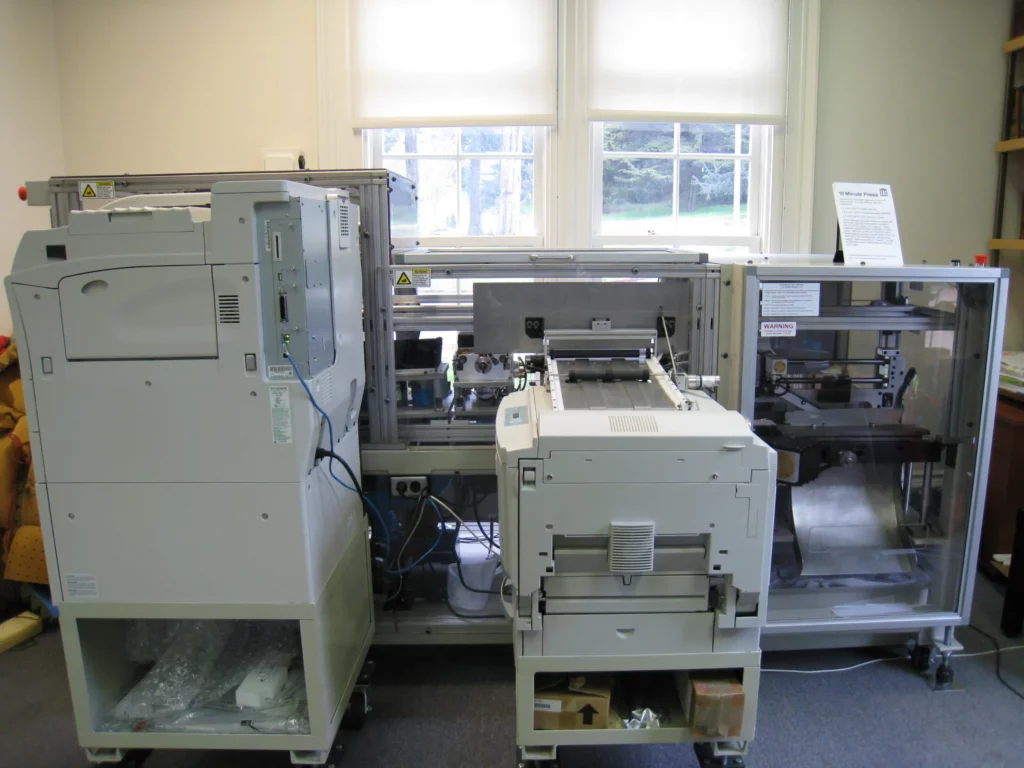
Print-on-demand works best with strong brand identity. Pick a theme with emotional pull, like local pride, pets, or fitness humor. Then create designs that match that theme and speak to a clear audience. Keep designs consistent so buyers recognize your style.
- Launch with a small set of best-fit products.
- Test designs with social content and small ad spends.
- Double down on designs that earn repeat buys.
4. Digital Products Business
Digital products scale well because delivery stays simple. You can sell templates, toolkits, guides, or mini-courses. Choose a topic you can teach with clarity. Then build assets that save customers time, like proposal templates or training documents.
- Start with a lead magnet to build an email list.
- Offer a low-cost starter product to validate demand.
- Expand into bundles once reviews come in.
5. Subscription-Based Online Store
Subscriptions work when customers need refills or curated discovery. Pick products with repeat cycles, like specialty snacks, coffee, or skincare. Then make the experience feel personal. Include clear choices, flexible delivery, and easy changes to reduce cancellations.
- Offer personalization through a short preference quiz.
- Create seasonal themes to keep interest high.
- Use retention emails that feel helpful, not pushy.
6. Online Coaching and Consulting
Coaching sells results and confidence. Start with a narrow offer, like interview prep, leadership coaching, or nutrition planning. Then package your process into repeatable sessions. Use simple milestones so clients feel progress early.
- Build a clear “before and after” transformation story.
- Use structured worksheets to guide each session.
- Collect testimonials and refine your positioning.
7. Virtual Assistant Services
Virtual assistants help founders protect time. You can manage calendars, email, invoices, or customer messages. Specialize to earn higher rates, like supporting coaches, real estate agents, or ecommerce founders. Then build systems that make your service reliable.
- Create standard operating procedures for core tasks.
- Offer response-time commitments you can keep.
- Upsell process improvements as you learn the business.
8. Local Experience Tour Guide
Travelers want unique experiences, not generic tours. You can sell curated local walks, food tastings, or craft workshops. Build relationships with local vendors so your experience feels authentic. Then market through short videos that show real moments.
- Design routes that avoid crowds and long waits.
- Partner with small venues for exclusive access.
- Create repeatable scripts so guides stay consistent.
9. Community-Based Online Business
Communities grow when members get value and belonging. Pick a topic with ongoing learning, like career growth, design, or parenting. Then host discussions, challenges, and expert sessions. Keep the tone supportive and practical.
- Define community rules that encourage useful sharing.
- Schedule regular events so members build habits.
- Offer a resource library that grows over time.
10. Ghostwriting for Executives
Busy leaders want visibility, yet they lack writing time. You can ghostwrite posts, newsletters, and thought leadership articles. Start by learning the client’s voice and story. Then create a repeat workflow for interviews, drafts, and approvals.
- Build a “voice guide” with examples and tone rules.
- Repurpose one interview into multiple content assets.
- Track engagement and refine topics that perform.
Creative and Lifestyle Small Business Ideas

1. Mental Health Mobile App
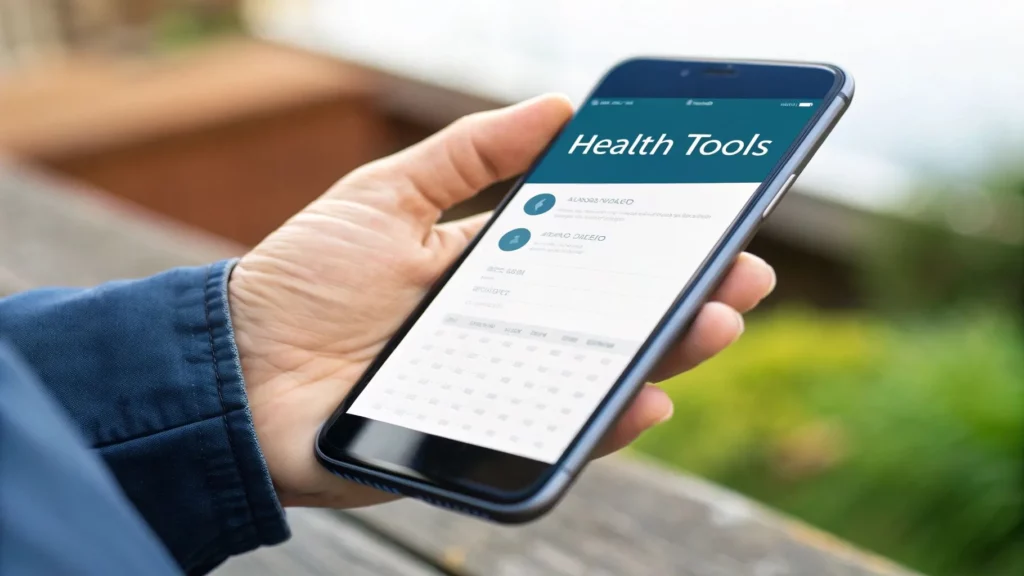
Mental health demand keeps growing, and people want support that feels private and easy. Global health data reports nearly 1.1 billion people live with a mental disorder. You can build an app that focuses on a clear outcome, like stress tracking or guided journaling. Start small, test with users, and improve based on daily usage patterns.
- Pick a single core feature and make it excellent.
- Use evidence-informed habits and simple reminders.
- Offer optional coaching add-ons for extra revenue.
2. Personal Wellness Coaching

Wellness coaching works when it feels realistic. Many clients want better energy, sleep, and routines. You can offer a structured plan with weekly goals and simple tracking. Then you can personalize based on lifestyle, work schedule, and preferences.
- Define a clear method and a clear promise.
- Use short check-ins to keep clients consistent.
- Create downloadable guides to add value between calls.
3. Fitness and Online Training Programs

Online training removes location limits. You can build programs for specific groups, like office workers or new parents. Use simple progressions and clear form coaching. Then support clients with chat accountability and short video feedback.
- Design workouts that need minimal equipment.
- Focus on consistency and injury prevention.
- Package programs into themed training blocks.
4. Travel Planning Services
Travel planning saves time and reduces stress. Many travelers want tailored routes, not generic lists. You can build itineraries based on budget, interests, and pace. Then you can add booking support and local tips.
- Create destination templates to speed up delivery.
- Add “backup plans” for weather and closures.
- Partner with local guides for richer experiences.
5. Eco-Friendly Packaging Business
Brands want packaging that looks good and reduces waste. You can sell compostable mailers, recycled boxes, or reusable packaging systems. Start with local ecommerce sellers who ship daily. Then help them pick sizes and designs that cut damage and returns.
- Offer small minimum orders for early-stage brands.
- Educate clients on labeling and disposal guidance.
- Provide custom branding for premium pricing.
6. Online Fashion Boutique
Fashion boutiques win through taste and curation. Pick a style point of view, like minimal workwear or streetwear basics. Then build trust through sizing guides and honest photos. Customer service matters because fit drives returns.
- Use clear product stories that explain materials and fit.
- Offer styling bundles to increase order value.
- Build a loyalty program around early access drops.
7. Pet Tech and Wellness
Pet owners spend more each year, and they love products that improve care. Industry data shows the U.S. pet industry reached $147 billion in sales, which supports demand for smart and wellness-focused pet services. You can offer tracking devices, wellness plans, or pet care education. Pair products with recurring services to stabilize income.
- Start with a clear pet problem, like anxiety or nutrition.
- Bundle products with coaching or check-ins.
- Partner with groomers and vets for referrals.
8. Subscription Box Business
Subscription boxes sell discovery and convenience. Pick a theme that creates excitement, like local snacks or hobby kits. Then curate items that feel cohesive. Keep quality consistent so customers stay.
- Source from small makers to create unique value.
- Use unboxing content to market organically.
- Offer flexible pause options to reduce churn.
9. Digital Art and NFT Services
Digital art services go beyond collectibles. Many creators and brands need visual identity, social assets, and motion graphics. You can sell custom art packs, brand kits, or event visuals. If you offer NFT work, focus on utility like membership art and perks, not hype.
- Create packages for different content needs.
- Use clear briefs to reduce revisions.
- Offer licensing terms that protect both sides.
10. Vertical Farming Kits
Home and restaurant growers want fresh greens with less space. You can sell compact vertical kits and provide setup help. Add refill plans for nutrients and seeds to build recurring revenue. Education also sells because beginners fear failure.
- Offer simple kits that fit apartments and balconies.
- Provide a beginner guide with troubleshooting tips.
- Host workshops to build trust and community.
11. Home Office Organizer
More people want calm workspaces and better focus. You can offer home office organization as a service, plus product bundles. Start with desk layout, cable management, and storage systems. Then add digital organization if clients want it.
- Use a short intake form to learn work habits.
- Offer before-and-after photos to market your work.
- Sell maintenance visits to keep spaces tidy.
12. Air Quality Improvement Service
Indoor air affects comfort and productivity. You can sell air quality checks, filter plans, and ventilation improvements for homes and small offices. Offer clear actions, not vague advice. Then provide ongoing maintenance so results stay stable.
- Bundle testing with a simple improvement roadmap.
- Offer subscription maintenance for filters and checks.
- Partner with property managers for steady leads.
13. Private Chef for Healthy Meals
Busy professionals want healthy food without planning stress. You can cook in-home or deliver fresh meals. Make menus flexible and allergy-aware. Then build routines that keep prep efficient and consistent.
- Offer weekly meal plans based on preferences.
- Use seasonal ingredients to control costs.
- Sell add-ons like grocery shopping and pantry resets.
14. Language Learning for Professionals
Professionals want language skills that help at work. You can teach industry vocabulary, meetings, and email writing. Focus on real scenarios, not generic lessons. Then track progress with short role-play sessions.
- Create courses for specific fields like tech or hospitality.
- Provide scripts for calls, meetings, and presentations.
- Offer flexible sessions that fit work schedules.
Local and Service-Based Small Business Ideas
1. Home Repair and Handyman Services
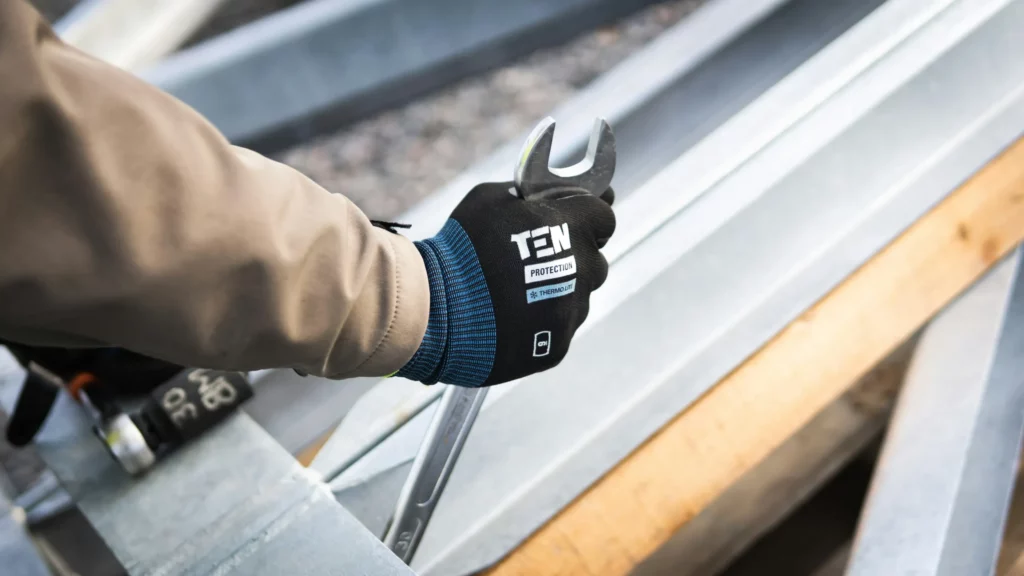
Homeowners need fast fixes they can trust. Handyman work stays in demand because properties always need maintenance. You can specialize in common tasks like mounting, repairs, and basic upgrades. Reliability becomes your main differentiator.
- Offer clear pricing ranges and arrival windows.
- Use photos to document work and reduce disputes.
- Build repeat business through maintenance plans.
2. Local Delivery Services

Local delivery can beat big carriers on speed and care. You can focus on flowers, baked goods, or fragile items. Route planning matters, so keep your area tight at first. Then add business accounts for predictable volume.
- Start with a niche that values careful handling.
- Create simple tracking updates for customers.
- Offer scheduled pickups for local merchants.
3. Real Estate Support Services

Agents and landlords need help beyond listing a property. You can offer staging, listing photos, cleaning coordination, or tenant onboarding support. The work stays repeatable, which helps you scale. Build relationships with local agencies to stabilize lead flow.
- Bundle services into “listing-ready” packages.
- Use checklists to speed up property prep.
- Offer fast turnaround times as a premium feature.
4. Education and Training Centers
Parents and professionals keep investing in learning. You can teach coding, design, language, or job skills. Focus on outcomes and confidence. Then build a consistent curriculum that instructors can deliver well.
- Offer trial classes to reduce purchase anxiety.
- Use projects to show progress clearly.
- Create pathways from beginner to advanced learning.
5. Franchise-Based Small Business
Franchises can reduce market risk through proven models. You still need strong local execution. Pick a franchise where you can meet operational standards. Then focus on staff training and customer experience.
- Study unit economics and local competition carefully.
- Plan hiring and scheduling with realistic assumptions.
- Follow brand standards while improving service quality.
6. Mobile Car Detailing
Mobile detailing meets customers where they live and work. Convenience drives repeat business. You can offer interior cleaning, paint protection, and maintenance plans. Start with a clean service menu and simple booking.
- Use before-and-after visuals to build trust.
- Offer membership plans for recurring revenue.
- Partner with offices and apartment buildings for volume.
7. Baby Proofing Expert
New parents want safety and peace of mind. Many do not know what products to choose or how to install them. You can inspect a home and propose fixes that match the child’s age and mobility. This service works well through referrals and local parenting groups.
- Offer room-by-room safety checks and installation.
- Educate parents on common household risks.
- Provide follow-up visits as the child grows.
8. Freelance Legal/Accounting Tech
Firms want faster work with fewer manual steps. You can help them modernize intake, document workflows, billing, and reporting. Focus on compliance and clarity. Then support staff training so adoption sticks.
- Start with workflow mapping and tool selection.
- Automate document creation and client onboarding.
- Offer ongoing support and security checks.
9. Elderly Companion Service
Families want reliable companionship and daily support for older adults. You can provide visits, errands, and activity planning. Trust matters, so screening and training matter. Build a service that feels warm, safe, and respectful.
- Create clear service boundaries and safety protocols.
- Offer consistent scheduling for stability.
- Partner with community centers and clinics for referrals.
Green & Sustainability Business Ideas

Clean energy and sustainability keep accelerating across markets. Energy analysis reports renewable capacity additions rose to nearly 510 gigawatts (GW), which signals demand for installation, maintenance, and support services.
1. Electric Vehicle (EV) Charging Installer

Charging access shapes EV adoption. Market analysis notes electric car sales exceeded 17 million globally, which supports continued buildout needs. You can install home and small-site chargers, then provide maintenance and upgrades. Focus on safety, permits, and clear customer education.
- Target homeowners, small fleets, and parking operators.
- Offer site checks and load planning as an add-on.
- Provide maintenance plans to stabilize revenue.
2. Solar Panel Cleaning & Maintenance

Solar owners want steady output. Dirt and wear can reduce performance over time. You can offer cleaning, inspection, and minor repairs. Then upsell monitoring and annual checks for predictable income.
- Build routes by neighborhood to reduce travel time.
- Use simple reports that show what you checked and fixed.
- Partner with installers who need aftercare services.
3. Composting and Organic Waste Collection Service
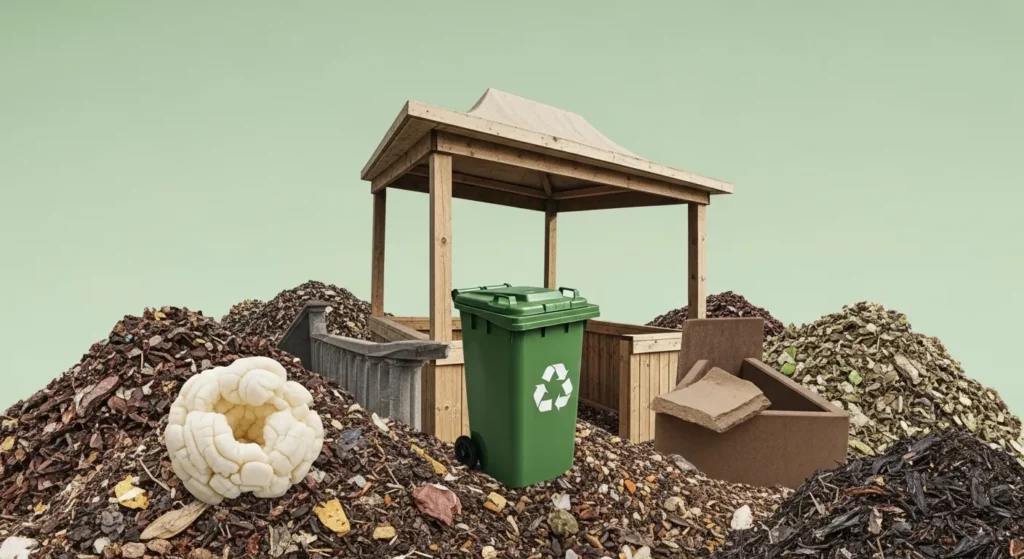
Households and restaurants want easier waste separation. Composting services simplify the process. You can collect organic waste and deliver compost back to customers or local farms. Education matters because contamination ruins compost.
- Provide labeled bins and clear sorting guides.
- Create a pickup schedule customers can rely on.
- Partner with gardens, farms, and community groups.
4. Second-hand Luxury Resale
Luxury resale grows when buyers want value and authenticity. You can curate items, verify condition, and handle consignment sales. Trust drives success, so strong authentication processes matter. Add cleaning and repair partners to increase item quality.
- Focus on a tight category to build expertise.
- Offer transparent grading and pricing logic.
- Build repeat sellers through fair consignment terms.
5. Sustainable Product Business
Sustainable products win when they perform well, not just when they sound ethical. You can sell refillable home goods, reusable daily items, or low-waste personal care. Build credibility through clear materials and usage guidance. Then grow through education content and community partnerships.
- Start with products that replace common disposables.
- Offer bundles that make switching easier.
- Use customer stories to build trust and retention.
6. Rental Marketplace for Tools
Tool rental reduces waste and saves customers money. Many people need tools for a short project. You can run a local marketplace for rentals with deposits and checklists. Quality control matters, so inspections and maintenance must stay consistent.
- Begin with popular DIY and garden tools.
- Create clear rules for pickup, return, and damage.
- Add delivery as a premium option for convenience.
7. Air Quality Improvement Service
This is one of the small business ideas that also fits sustainability because clean air links to energy use and building efficiency. You can help sites improve ventilation and reduce indoor pollutants with practical upgrades. Focus on measurable changes and simple maintenance routines. Then offer ongoing checks to keep performance steady across seasons.
- Provide action plans that balance comfort and energy use.
- Offer filter and equipment maintenance subscriptions.
- Work with contractors who handle related building upgrades.
How to Come Up with Small Business Ideas to Start
The fastest way starts with problems you already see. Pay attention to what people complain about at work, at home, and in online communities. Then write those complaints as simple “jobs to be done.”
Next, match problems to your unfair advantages. Your skills, network, and local knowledge matter. Strong, small business ideas feels easier for you than for most people. That gap becomes your edge.
Then validate with direct conversations. Ask potential customers what they do today. Ask what feels slow, confusing, or expensive. Also ask what they tried before. These answers reveal what they might pay for.
After that, build a tiny test offer. Create a landing page. Post a clear service package. Or sell a small pilot with a short timeline. Focus on learning, not perfection.
Finally, keep a repeatable idea system. Track trends in your industry. Follow local regulations and incentives. Join entrepreneur groups and attend niche events. Over time, you will generate new small business ideas from real signals, not random guessing.
Strong small business ideas feel practical, focused, and easy to explain. Pick a category that fits your skills and your lifestyle. Then validate demand with real conversations and a small pilot. Momentum comes from clarity, consistent delivery, and steady improvement.
Conclusion
Strong small business ideas deserve a build partner who moves fast and stays reliable. That is where we come in at Designveloper. We started this journey in 2013, and we have kept our focus on practical software that helps businesses grow.
We bring a hands-on team of 100+ dedicated, highly skilled developers, designers, QA engineers, and product strategists to every engagement. So we can cover product strategy, UI/UX, engineering, QA, and release. We also work with clear sprints and steady communication, so you always know what happens next.
At Designveloper, we have delivered 150+ digital projects, and we build across web apps, mobile apps, AI solutions, automation, VoIP, and cybersecurity. Among them are promient, shipped products like LuminPDF, Joyn’it, Swell & Switchboard, and Walrus Education. As a result, we understand both consumer apps and B2B platforms.
Now it is your turn to pick among small business ideas and validate it with real users. Then we can help you turn it into an MVP, refine it with feedback, and scale it with stable architecture. If you want to launch in 2026 with confidence, we are ready to build with you.