


Meta isn’t happy about this, but has nonetheless committed to allowing rival artificial intelligence chatbots into WhatsApp. The company was required to do so under the EU Commission’s anti-competition laws.
As reported by Reuters, Meta has been trying to keep competitors’ AI bots and tools out of WhatsApp in an effort to promote usage of its own Meta AI chatbot instead. WhatsApp is the most used messaging platform in the world, according to data from SimilarWeb.
The company’s efforts to ban rivals is in violation of EU regulations governing anti-competitive behavior. Earlier this year, the EU Commission warned Meta that it would need to grant rival AI tools access to WhatsApp or face restrictions and penalties.
The EU Commission said that on Oct. 15, Meta announced an update to its WhatsApp Business Solution terms, which effectively banned third-party general-purpose AI assistants from the application. As a result, since Jan. 15, the only AI assistant available on WhatsApp has been Meta’s own tool, Meta AI. Both OpenAI and Microsoft had made their AI tools available in WhatsApp before the change.
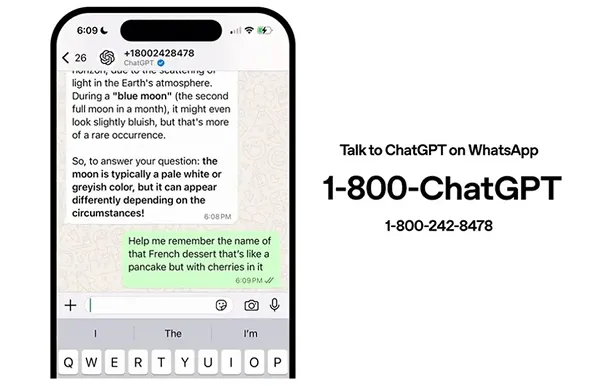
Meta has now agreed to comply with the Commission’s ruling, albeit reluctantly. That means Meta will be providing an access point to its rivals, giving them expanded opportunity to reach WhatsApp’s more than 45 million EU users, a figure which was officially confirmed to the EU Commission by Meta earlier this year.
Under the EU Digital Services Act, platforms are designated as a “Very Large Online Platform” (VLOP) once they reach 45 million users in the EU. That designation puts them into a different enforcement category than smaller platforms, which are subject to less stringent laws. The EU Commission confirmed that WhatsApp met this usage threshold on Jan. 26, which means Meta now has to adhere to strict competition standards to continue operating in the region.
The EU laws are designed to protect users and local developers by ensuring that large foreign-based platforms don’t use their market power to muscle out competitors. Yet Meta has a fair point in opposing these regulations, because allowing rival AI tools to utilize WhatsApp runs counter to the company’s business strategy and could end up harming its own prospects.
This is another element of EU regulation that Meta has been pushing back on. The company opposes various restrictions and rules which it claims are targeted specifically at U.S.-based businesses.
That angle has helped Meta win support from the U.S. government, which has voiced dissatisfaction with the various fines and penalties handed down to U.S. social media providers under EU rules.
Yet, if Meta, as well as every other social app, wants to continue operating in the EU, it also needs to abide by the regulations as set by the Commission. That means Meta has little choice but to allow other apps onto its platform.
Now Meta will allow rival AI tools to develop their own WhatsApp versions. Meta has agreed to a 12-month window to allow EU regulators to assess the situation before the company commits to next steps.