


TikTok wants to crack down on the overuse of artificial intelligence-generated audio in livestreams. The app has added new rules that specifically ban the use of AI-generated voices or recordings in live broadcasts.
As reported by Pyments, TikTok recently updated its rules around TikTok shopping livestreams, which include specific notes regarding the use of AI-generated voices.
Under “Prohibited Content” in the platform’s updated TikTok Live rules, it states: “Don’t use non-real-time verbal interaction such as AI-generated voices, audio recordings, or radio.”
TikTok said broadcasters should “engage directly with your viewers using real-time verbal or sign language communication and demeanor that is appropriate for all users,” while livestreams that rely on AI-generated voices or pre-recorded audio instead of real-time communication are listed as “non-compliant content.”
The update seems to run counter to TikTok’s steadily increasing push to implement more AI elements into all aspects of the app, with TikTok also launching AI-powered digital avatars.
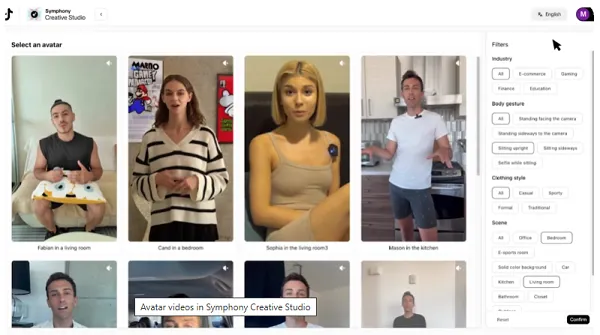
Indeed, when TikTok first announced its AI avatars for video in 2024, a key selling point was that these AI characters would be able to broadcast on a brand’s behalf, helping to boost promotional value and frequency.
AI livestreamers have also been a big hit on Douyin, the China-only version of TikTok.
On Douyin, virtual influencers have become a massive business, with Sixth Tone reporting that there are more than 993,000 digital avatar companies registered in China, offering inexpensive production costs and virtual characters that are able to stream 24/7 in various apps.

As such, it seemed like TikTok would follow suit and implement similar approaches to streaming. But these new rules strictly forbid the overuse of AI voices, and by extension, AI-generated characters, which seems like a step back in TikTok’s broader live commerce push.
So why the change?
Well, presumably, some brands have abused this system, and are just streaming repetitive, AI-generated messages all day, which has led to a poor user experience.
If viewers don’t enjoy livestreams, they’re unlikely to come back and view more, and clearly, TikTok views this as enough of a problem that it requires specific redress.
But it is interesting in the broader context of TikTok’s AI push.
The only potential carve out that’s noted within TikTok’s updated livestreaming rules is this:
“Don’t use animated figures or content that covers more than 50% of the screen.”
Maybe, if a virtual character doesn’t cover 50% of the screen, that would remain within TikTok’s rules, though the audio would still be AI-generated.
Either way, it’s an interesting development in TikTok’s broader push for more shopping streams. It’s also interesting within the framework of how TikTok is adapting to the rise of AI-generated material and how TikTok users are responding to the influx of AI slop.