


Agile development release planning helps teams connect product strategy with real delivery work. It gives product managers, engineers, designers, and stakeholders a shared view of what a release should achieve, what it should include, and when it may be ready. Without that view, teams often move fast inside each sprint but still struggle to hit the bigger goal.
That problem is now harder to ignore. Modern teams already deal with fragmented information, and teams waste 25% of their time just searching for answers. At the same time, software delivery keeps changing because AI adoption surges to 84%. So teams need release planning that stays flexible but still gives direction.
This guide explains what agile release planning is, why it matters, how it differs from sprint planning, and how to build a release plan step by step. It also covers common mistakes, practical examples, and best practices that keep agile teams aligned without turning planning into bureaucracy.
What Is Agile Release Planning?
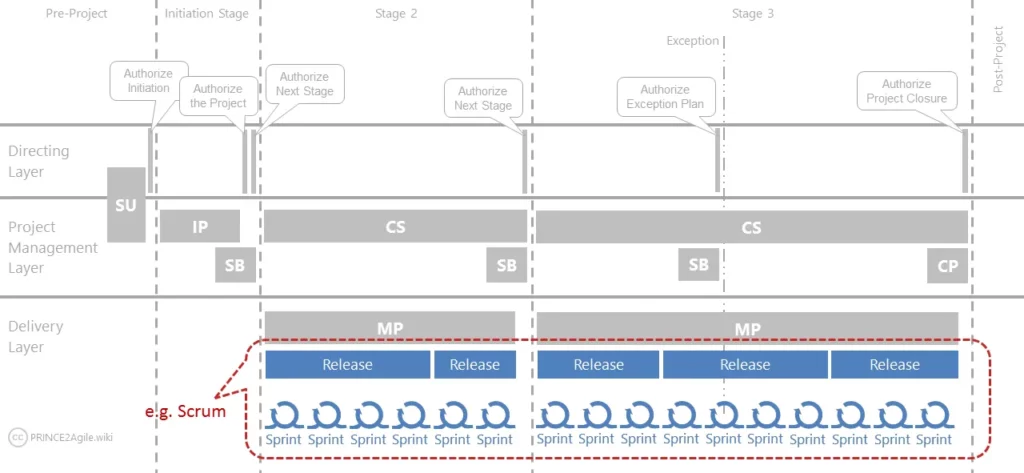
Agile development release planning is a high-level planning process that helps a team decide what value it wants to deliver in an upcoming release and how that work may flow across several sprints. It does not try to predict every task in detail. Instead, it sets direction, scope, priorities, milestones, and likely timing.
A good release plan usually starts from strategy. That matters because a product roadmap is a shared source of truth that outlines the vision, direction, priorities, and progress of a product over time. Release planning turns that strategic view into a practical delivery forecast.
In simple terms, a roadmap says where the product is going. A release plan says what the team will likely deliver next to move it there. Then sprint planning breaks that release work into short execution cycles.
For example, a B2B SaaS team may set one release goal: launch single sign-on, audit logs, and role-based access for enterprise buyers. The team will not plan every subtask at once. However, it will still decide the release objective, feature sequence, rough sprint allocation, major dependencies, and the conditions that define release readiness.
That is why agile development release planning works best as a living plan. It gives teams enough structure to coordinate work, yet it leaves room to learn and adapt after each sprint.
Why Agile Release Planning Matters in Agile Teams
1. Faster Delivery of Customer Value
Agile teams do not win by finishing more tickets. They win by shipping useful outcomes sooner. Release planning helps them focus on the smallest set of features that can create real value in the market.
This matters because a product release is the process of making a new or updated product available to customers. When a team plans that release early, it can cut low-value work, sequence the most important capabilities first, and deliver sooner instead of waiting for a perfect bundle.
For instance, an eCommerce team may want a better checkout experience. A weak plan bundles wallet support, saved cards, promo logic, analytics changes, and loyalty features into one large release. A stronger plan releases guest checkout and payment reliability first, then adds the rest later. Customers feel the benefit earlier, and the team gets feedback sooner.
2. Better Visibility Into Scope and Timeline
Agile development release planning gives teams a clear forecast. That forecast does not promise an exact date for every item. Still, it shows what is likely in scope, what may move, and where the biggest timing risks sit.
That kind of visibility matters in modern delivery environments. PMI reported 73.8% project performance rate average across all respondents and a 57% increase in the use of hybrid approaches. So teams need planning that works even when delivery models, work arrangements, and stakeholder expectations keep shifting.
With a release plan, leaders can ask better questions. They can see whether the target still fits the team’s capacity. They can also decide early whether to cut scope, move a milestone, or add support from another team.
3. Stronger Alignment Across Product and Engineering
Release planning creates a shared language. Product can explain why the release matters. Engineering can explain how much work fits. QA can raise test risks. Design can surface readiness gaps. Security and DevOps can flag deployment needs before they turn into blockers.
That alignment is now critical because 93% of executives say that cross-functional collaboration is more crucial than ever. A release plan helps teams align around one outcome instead of running separate priorities in parallel.
Without this step, product often thinks in features, engineering thinks in effort, and leadership thinks in deadlines. The release plan brings those views together. As a result, trade-offs become explicit instead of political.
4. Lower Risk Through Early Planning
Release planning reduces risk because it exposes unknowns sooner. Teams can identify outside dependencies, approval needs, environment constraints, data migration work, or compliance reviews before the deadline gets too close.
It also lowers product risk. A team can decide early whether a feature should launch behind a flag, whether it needs a beta group, or whether it should split one large release into smaller drops.
That does not remove uncertainty. Agile teams still learn as they build. But early planning makes uncertainty visible, and visible risk is easier to manage than hidden risk.
Agile Release Planning Vs Sprint Planning
1. Key Differences
Agile development release planning and sprint planning support each other, but they answer different questions. Sprint planning is a Scrum event where teams define what can be delivered in the upcoming sprint and how the work will be achieved. Release planning works at a higher level and looks across multiple sprints.
| Area | Agile Release Planning | Sprint Planning |
|---|---|---|
| Time horizon | Several sprints or a target release window | One sprint |
| Main focus | Release goals, scope, milestones, dependencies, risk | Sprint goal, sprint backlog, task-level execution |
| Level of detail | High to medium | Detailed |
| Main output | Release forecast and shared plan | Sprint backlog and sprint goal |
| Change pattern | Updated as learning changes | Revisited every sprint |
In short, Agile development release planning answers, “What are we trying to ship next, and what is the most realistic path?” Sprint planning answers, “What will we do in this sprint to move that plan forward?”
2. When To Use Each
Use Agile development release planning when the team starts a new initiative, prepares for a market launch, aligns around a quarterly goal, or needs a cross-team delivery forecast. This is the right moment to define the release objective, outline the likely scope, and test whether the target still fits capacity.
Use sprint planning at the start of every sprint. This is when the team selects backlog items, confirms the sprint goal, and turns broader release work into concrete tasks.
Both practices matter. If a team only plans releases, it may stay vague and drift during execution. If it only plans sprints, it may finish iterations efficiently but still miss the bigger business outcome.
Key Components of an Agile Release Plan
1. Product Vision and Goals
Every release plan should start with a clear reason to exist. The team needs to know what problem it wants to solve, for whom, and why now. Otherwise, backlog items turn into disconnected requests.
A strong release goal is outcome-based. Instead of saying, “build a new admin dashboard,” say, “reduce setup time for enterprise admins.” That goal helps the team make better decisions when scope pressure appears.
Vision keeps the release strategic. Goals keep it practical. Together, they stop teams from treating Agile development release planning like a long to-do list.
2. Product Backlog and Prioritization
The release plan needs a refined backlog. That does not mean every story must be final. It means the team understands the most important items well enough to estimate them, discuss sequencing, and decide what belongs in the release.
Prioritization should reflect value, urgency, effort, and risk. Teams often use methods such as MoSCoW, WSJF, user impact scoring, or simple value-versus-effort conversations. The method matters less than the discipline behind it.
Backlog quality shapes release quality. If high-priority items stay vague, the release forecast becomes shaky from day one.
3. Release Goals and Scope
Release goals describe the intended outcome. Release scope defines the work the team currently expects to include. Those two elements are related, but they are not the same.
A team may keep one stable release goal while adjusting scope as it learns. That is a healthy sign. Agile teams protect the outcome first and negotiate the lowest-value scope when needed.
This is also where teams should separate must-have items from stretch items. That simple distinction makes later trade-offs much easier.
4. Estimation, Capacity, and Team Velocity
A release plan needs realistic delivery inputs. Teams should estimate major backlog items, review upcoming availability, and check historical delivery patterns before they commit to a forecast.
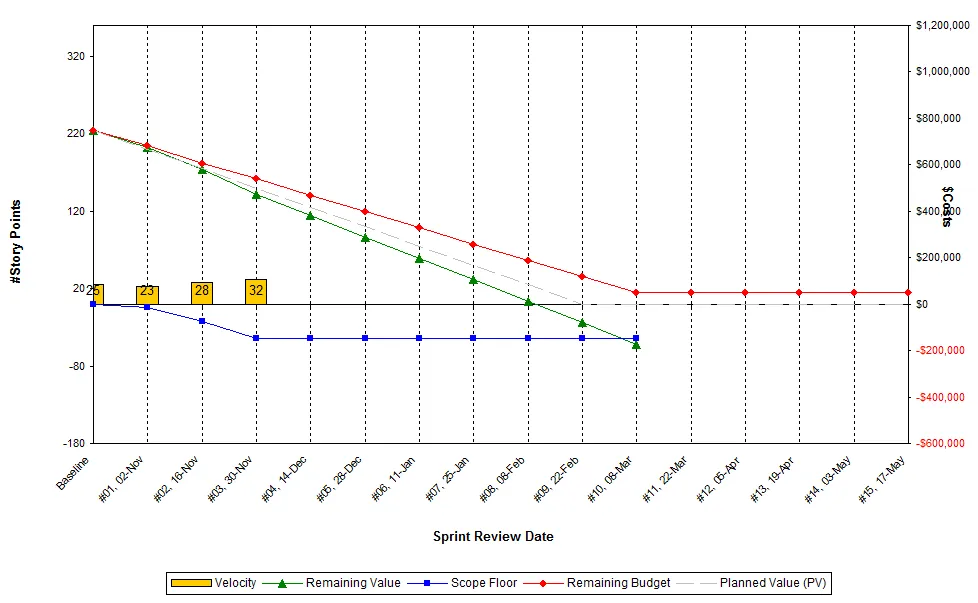
That is why teams track both capacity and velocity. Atlassian explains that velocity is your team’s average capacity per iteration over time based on past performance. In practice, that means the best release forecasts come from real team data, not optimism.
Capacity also changes. Holidays, support duty, hiring gaps, and urgent production work all affect how much planned work a team can finish. A smart release plan accounts for that instead of assuming a perfect sprint every time.
5. Timeline, Milestones, and Roadmap Alignment
Release plans need dates, but they need the right kind of dates. Teams should track target windows, milestone checkpoints, and decision points rather than pretending every story will land on an exact day.
Good milestones often include design completion, API readiness, test environment readiness, beta launch, security sign-off, or production rollout. These markers help teams see progress before the final launch.
The timeline should also align with the broader roadmap. If the roadmap promises a customer-facing outcome this quarter, the release plan must show how the current sprint sequence supports that promise.
6. Risks, Dependencies, and Assumptions
Most release delays do not come from one bad estimate. They come from hidden dependencies, unresolved assumptions, or risks that nobody owned early enough.
So a release plan should state these factors clearly. Which team must finish work first? Which API must stay stable? Which legal review must happen before launch? Which assumption could break the release if it proves false?
When teams document these items early, they can assign owners and create fallback options. That makes the plan more honest and much easier to manage.
How to Create an Agile Release Plan Step by Step
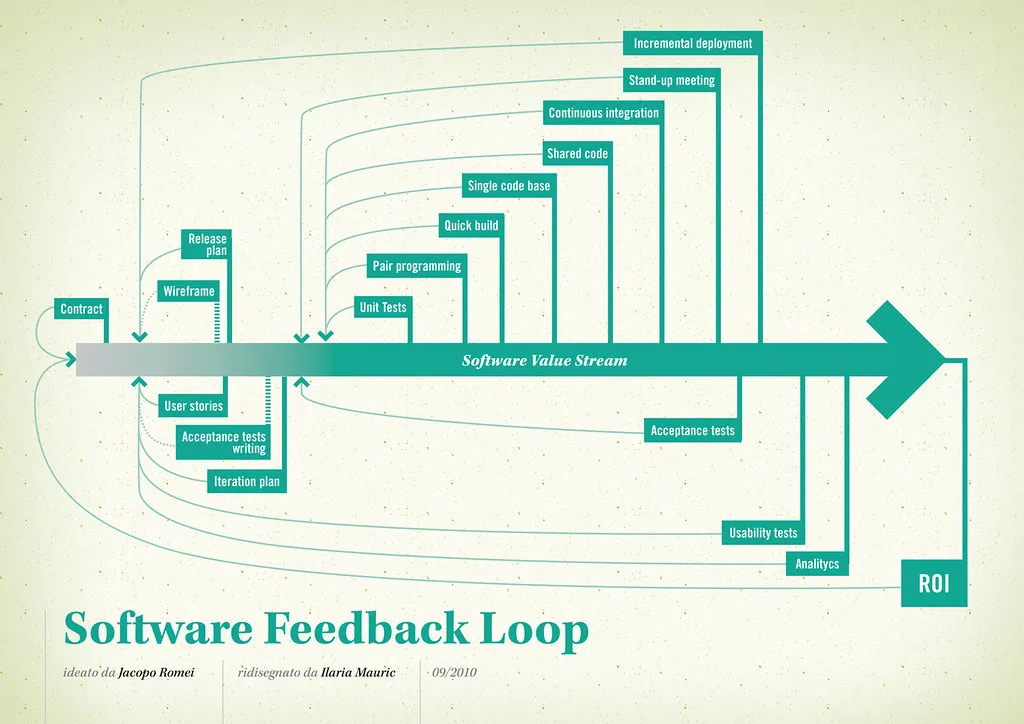
1. Step 1: Define the Product Vision and Release Objective
Start with the outcome, not the feature list. Ask what the release should change for the user or the business. Then write one release objective that everyone can understand.
For example, a payroll platform may define this release objective: “Help enterprise clients onboard faster by adding single sign-on and permission controls.” That statement gives the team direction and limits scope drift from the start.
2. Step 2: Review and Prioritize the Backlog
Next, review the backlog against that objective. Remove items that do not support the release goal. Split large items where needed. Then rank the rest by value, urgency, dependency, and effort.
This is where agile development release planning becomes practical. The team moves from broad ambition to a shortlist of work that truly belongs in the release. That shift makes later planning much easier.
3. Step 3: Estimate Work and Confirm Team Capacity
Now estimate the shortlisted items. Use the team’s normal method, such as story points, T-shirt sizes, or ideal days. The exact method matters less than consistency.
Then review the team’s real capacity for the release window. Check vacations, public holidays, maintenance duties, and other work that may reduce focus. If capacity looks tight, cut scope now rather than later.
4. Step 4: Map Features Across Sprints
After that, place prioritized items across the likely sprint sequence. Do not over-plan every story. Instead, map feature flow at a level that helps the team see ordering, dependency, and risk.
For example, the payroll team may put authentication groundwork in Sprint 1, permission models in Sprint 2, admin UI in Sprint 3, and beta hardening in Sprint 4. That view gives everyone a realistic path without locking every detail too early.
5. Step 5: Identify Dependencies and Risks
Before the timeline feels final, review what may block it. Ask about external teams, data needs, test environments, vendor approvals, or security reviews. Then write down the biggest risks and assign owners.
This step often changes the release plan more than estimation does. A single dependency can shift the whole sequence. It is better to discover that during planning than during the last sprint.
6. Step 6: Build the Release Timeline
With scope, estimates, and dependencies in view, build the timeline. Show target sprint ranges, milestone dates, and decision gates. Keep the timeline simple enough for stakeholders to understand at a glance.
Also mark confidence levels where helpful. For example, core features may sit in a high-confidence zone, while stretch work sits in a lower-confidence zone. This makes the plan more honest and easier to discuss.
7. Step 7: Review, Align, and Adjust Continuously
Finally, review the plan with stakeholders and the delivery team together. Confirm the objective, likely scope, main risks, and trade-off rules. Everyone should leave with the same understanding.
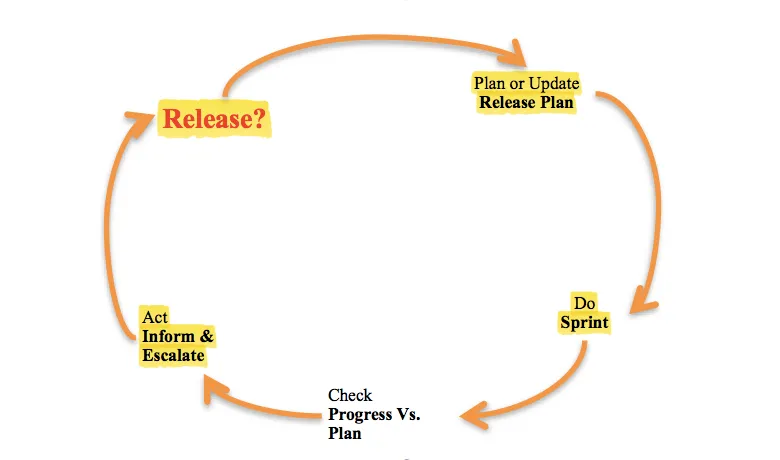
Then keep updating the plan after each sprint. A release plan is not a one-time artifact. It should evolve as the team learns more about effort, feedback, and delivery risk.
Common Challenges in Agile Release Planning
1. Changing Priorities Mid-Release
This is the most common problem. A new executive request appears. A competitor launches a similar feature. A customer escalation changes urgency. Suddenly, the release plan no longer fits the business mood.
Some change is healthy. However, constant change destroys flow. That is why the DORA report highlights stable priorities for organizational success. Teams should allow change, but they should route it through a clear decision process instead of letting every new request disrupt active work.
2. Inaccurate Estimates and Capacity Gaps
Many teams underestimate work because they ignore non-feature effort. They forget bug fixing, code review, support work, deployment tasks, and coordination time. Then the release starts slipping even though the original math looked fine.
Atlassian puts it plainly: capacity planning is the most critical part of planning that gets skipped. When teams skip that step, they build release plans on hope instead of data.
3. Cross-Team Dependencies
Dependencies create silent schedule risk. One platform team delay can block a product team. One design gap can stall development. One security requirement can push testing back by a full sprint.
The solution is not to avoid dependencies altogether. That is rarely possible. The solution is to surface them early, assign owners, and review them often. Teams that wait too long usually discover that dependency work follows a different timeline than product work.
4. Pressure From Fixed Deadlines
Fixed launch dates are common. A contract renewal, industry event, or compliance deadline may leave no room to move the calendar. When that happens, teams must protect the outcome by adjusting scope instead of pretending everything still fits.
That approach works best when leaders care about business outcomes, not just delivery theater. PMI found 83% vs. 78% on meeting business goals, 63% vs. 59% on schedule adherence, and 73% vs. 68% on budget adherence for project professionals with stronger business acumen. Agile development release planning improves when teams make the same shift and weigh scope decisions against real business value.
Agile Release Planning Best Practices
1. Align the Plan With Business Outcomes
Start every release with a business outcome. That outcome may target adoption, retention, activation, revenue, compliance, or operational efficiency. Once the team names that outcome, prioritization gets easier.
This keeps the plan grounded. It also helps teams defend useful trade-offs. When scope pressure appears, the question becomes, “What supports the outcome most?” rather than, “Who asked loudest?”
2. Prioritize Backlog Items Continuously
Backlog priority should not stay frozen between release kickoff and launch. Teams learn during discovery, design, development, and customer feedback. The backlog should reflect that learning.
Continuous prioritization does not mean chaos. It means the team keeps comparing items against the release goal and adjusts before misalignment becomes expensive.
3. Use Historical Velocity Instead of Assumptions
Forecast with what the team has actually delivered, not with what leadership hopes it can deliver next month. Historical velocity will never be perfect, but it is still better than guesswork.
Also remember that velocity is local. One team’s pace does not transfer neatly to another team. Use each team’s own data, and revisit it when staffing or scope changes.
4. Review and Adjust the Plan After Each Sprint
Teams should inspect the release plan every sprint. Compare the forecast with what actually shipped, what blocked progress, and what changed in the market or the product.
That habit matters even more now because AI, automation, and hybrid work are reshaping how teams plan, execute, and measure success. A static release plan will age fast. A reviewed plan stays useful.
5. Communicate Changes Clearly to Stakeholders
When the plan changes, say what changed, why it changed, and what the impact will be. Stakeholders do not need every delivery detail. They do need clarity.
Good communication protects trust. It also helps leadership make timely decisions on trade-offs, staffing, or launch scope. Silence usually creates more friction than bad news delivered early.
FAQs About Agile Release Planning
1. How Is Release Planning Done In Agile?
Agile teams usually start with a release objective, review and prioritize the backlog, estimate the main work items, confirm capacity, map likely work across several sprints, and then identify milestones, risks, and dependencies. After each sprint, they revisit the plan and adjust it based on delivery data and new learning.
So release planning in Agile development is not a rigid master schedule. It is a rolling forecast that helps teams coordinate value delivery across sprints.
2. Who Participates In Release Planning?
Release planning works best when the core delivery group and key decision-makers join the discussion. In most teams, that includes the product owner or product manager, engineering lead, developers, QA, design, Scrum Master or delivery manager, and any stakeholder who owns major dependencies.
The collaboration principle comes straight from Scrum. The Scrum Guide states that the resulting plan is created by the collaborative work of the entire Scrum Team. Release planning should follow that same spirit, even when the team includes people beyond the core Scrum roles.
3. How Many Sprints Are Usually Included In A Release?
There is no fixed rule. Some teams release every sprint. Others plan a release across several sprints when they need coordinated testing, market launch timing, or cross-team delivery. The right number depends on product risk, release complexity, customer expectations, and the team’s deployment model.
A useful rule is to keep the release window short enough to stay adaptable and long enough to deliver a meaningful outcome. If the window gets too long, forecasting gets weaker and feedback arrives too late.
4. What Tools Are Used For Agile Release Planning?
Teams often use Jira for connected roadmaps and delivery visibility, Azure Boards for backlog and sprint tracking with traceability, and Aha! Roadmaps for strategy, prioritization, releases, and roadmap communication.
The best tool is the one that helps the team connect strategy, backlog, capacity, dependencies, and release communication in one clear workflow. A fancy tool cannot fix weak planning, but the right one can make a strong planning process much easier to maintain.
Agile release planning gives teams a practical middle layer between product vision and sprint execution. It helps them define the next meaningful outcome, forecast a realistic path, and keep everyone aligned as work moves forward. That is why agile development release planning remains one of the most useful habits for teams that want both speed and clarity.
The strongest release plans stay simple, honest, and flexible. They focus on outcomes, use real team data, expose risks early, and change when learning changes. Teams that plan this way do not just ship more predictably. They also make better product decisions while they ship.
Conclusion
Agile release planning works best when it stays clear, flexible, and tied to business value. That is how we work at Designveloper. Since we were founded in 2013, we have helped clients turn product ideas into real software with disciplined planning, close collaboration, and steady delivery. Our experience spans 100+ projects for clients across 20+ industries, so we know how to balance release goals, sprint execution, technical risk, and changing priorities without losing momentum.
We also bring that mindset into the products we build. From Lumin and ODC to Walrus Education, we have seen that strong releases do not happen by accident. They come from the right process, the right team rhythm, and the right product decisions at the right time. If your team wants agile development release planning that supports real outcomes, we can help through AI-powered business software, custom software development, web app development, mobile app development, and VoIP app development. At Designveloper, we do not just plan releases. We help businesses ship products that move forward with confidence.