

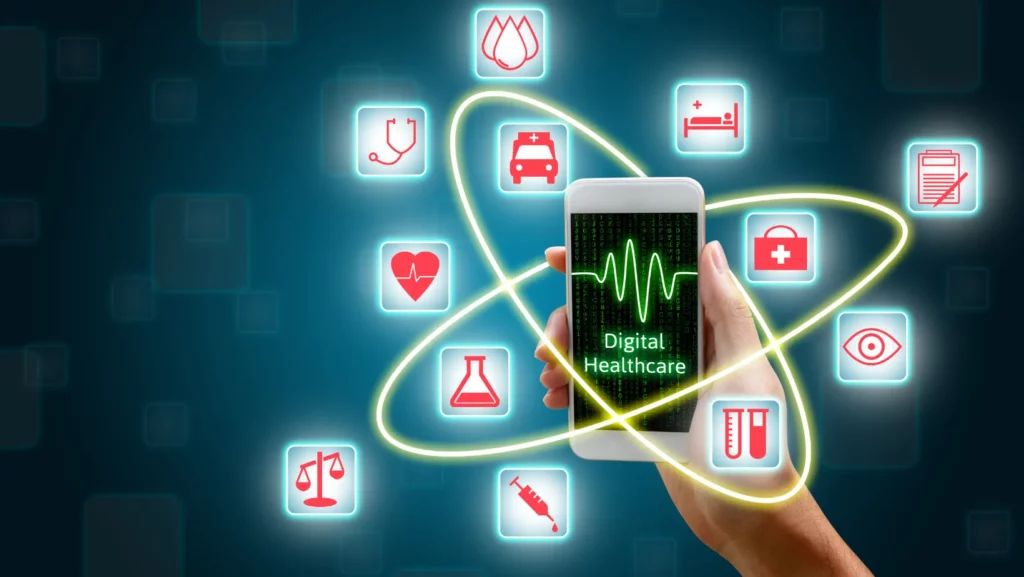
Digital care now reaches people through phones, portals, sensors, and smarter clinical systems. This shift matters because patients expect faster access, and clinicians need better workflows. Digital healthcare technology sits at the center of that shift. It connects people, data, and care teams across settings. It also turns routine health signals into timely decisions. This guide explains what digital health is, how digital healthcare technology works, and where it delivers the most value. It also covers real-world digital healthcare technology examples, clear benefits, and the challenges leaders must solve to scale safely.
What Is Digital Health?
Digital health is the use of digital tools and data-driven methods to improve health and healthcare. It covers both clinical care and public health. It also includes wellness support when it helps prevent disease or manage risk.
Digital healthcare blends several ideas into one practice. It includes remote care, connected devices, and modern health information systems. It also covers how teams use data to plan care and track outcomes.
Digital health does not replace clinicians. Instead, it supports clinicians with better access, clearer information, and faster coordination. It also helps patients take action between visits.
What Is Digital Health Technology?
Digital health technology refers to the software, hardware, and networks that make digital health possible. It includes systems that store health data, tools that deliver care remotely, and devices that measure health signals.
Teams often confuse digital health with the tools that power it. Digital health is the practice and the outcomes. It is the enabler that makes those outcomes realistic.
Digital healthcare technology works best when it supports a clear clinical goal. It can reduce delays, improve follow-up, and help clinicians spot risk earlier. It can also simplify documentation and reduce manual steps.
Key Types of Digital Health Technology
1. Telehealth
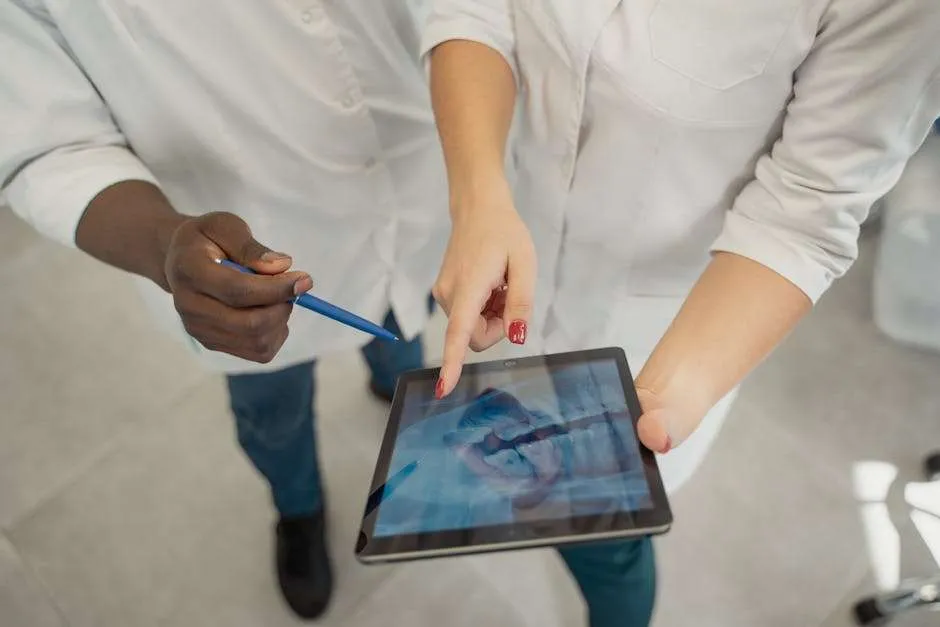
Telehealth delivers care when the patient and clinician sit in different locations. It can happen through video visits, phone calls, secure chat, or store-and-forward tools.
Telehealth fits many use cases. Primary care teams use it for triage, follow-ups, and medication checks. Mental health teams use it for therapy and coaching. Specialist teams use it for second opinions and post-procedure monitoring.
Utilization varies by country and policy. OECD tracking shows an average of 0.6 teleconsultations per patient per year across member countries before the pandemic surge.
Telehealth programs succeed when they reduce friction. That means simple scheduling, clear consent, and reliable clinical protocols. It also means strong escalation rules when symptoms require in-person care.
2. Electronic Health Records (EHR)
An EHR stores clinical documentation and supports daily clinical work. It holds problem lists, medications, allergies, labs, imaging results, and care plans.
EHR value depends on workflow design. A well-configured EHR reduces clicks and supports structured data capture. A poorly designed EHR adds burden and spreads errors.
Adoption has become widespread in many markets. U.S. federal tracking reports 96% of non-federal acute care hospitals use a certified EHR.
EHRs also shape data sharing. That matters because patient journeys span clinics, hospitals, labs, and pharmacies. Interoperability improves care continuity when teams can find and integrate outside records.
Interoperability still lags in practice. A national analysis reports 70% of hospitals engaged in all four domains of interoperable exchange across sending, receiving, finding, and integrating data.
Patient portals sit on top of EHRs in many systems. Yet full access remains uneven. OECD reporting shows 42% reported that the public could both access and interact with all their data through national portals.
3. Mobile Health (mHealth) Applications
mHealth apps support health tasks through phones and tablets. They can help track symptoms, coach behavior, remind medications, and guide self-care.
mHealth works best when it fits daily routines. Simple check-ins and clear prompts drive better engagement. Passive tracking can help too, but it must respect privacy and consent.
Many people already search for health information online. OECD data shows 60% of individuals aged 16-74 used the internet to seek health information.
Connectivity still limits impact in many regions. GSMA reporting notes 4.6 billion people use mobile internet, which expands the reach of mHealth services.
Digital inclusion remains a hard barrier. The same GSMA reporting highlights 3.45 billion unconnected people still do not use mobile internet, which shapes equity outcomes for digital programs.
4. Wearables and Remote Patient Monitoring
Wearables measure health signals through devices people wear or use at home. Remote patient monitoring collects these signals and routes them to care teams when needed.
Common signals include heart rate, activity, sleep patterns, oxygen saturation, and glucose trends. Home devices can also capture blood pressure and weight. Care teams then use dashboards to spot risk and reach out early.
Wearables keep expanding in scale. IDC forecasts shipments will reach 537.9 million units, which increases the volume of real-world health data.
Remote monitoring works when it reduces false alarms. Programs need smart thresholds and clear triage rules. They also need patient education so people know how and when to measure correctly.
5. AI and Data Analytics in Healthcare
AI and analytics turn health data into insights that support decisions. They can help predict risk, prioritize worklists, and detect patterns humans miss.
Analytics often starts with simple models. Teams may use risk scores for readmissions, no-show prediction, or medication adherence. Over time, they add more complex models and real-time pipelines.
Clinical AI also spans imaging and monitoring. Regulators track these tools because they can influence diagnosis and treatment. A peer-reviewed review reports 1016 medical devices with AI or machine learning had cleared U.S. regulatory pathways at the time of analysis.
AI needs strong governance. Teams must test models across populations, monitor drift, and keep humans in control of clinical decisions. Transparency and audit logs also reduce risk.
Top 7 Digital Health Technology Trends
1. Predictive & Generative AI in Medical Diagnosis

Predictive AI estimates risk before symptoms escalate. It can combine vitals, labs, imaging, and notes to flag deteriorating patients. That helps teams intervene sooner.
Generative AI focuses on language and synthesis. It can summarize long charts, draft patient instructions, and structure clinical notes. It can also help clinicians navigate guidelines faster.
Responsible deployment starts with guardrails. Teams should limit scope, validate outputs, and require clinician review. They should also log prompts and outputs for audit and improvement.
Practical examples already exist. Stroke triage tools can prioritize imaging worklists. Documentation copilots can reduce time spent on note drafting. Yet leaders should treat outputs as suggestions, not truth.
2. Hospital-at-Home: The 2.0 Evolution of Care Delivery

Hospital-at-home delivers inpatient-level care in a patient’s home for selected conditions. It depends on remote monitoring, rapid response logistics, and clear clinical escalation paths.
Programs often combine daily clinician visits with continuous monitoring. They also coordinate labs, imaging, pharmacy delivery, and home nursing. A command center model helps coordinate the flow of care.
Policy also shapes adoption. CMS reporting notes 366 hospitals received approval to deliver acute care at home within its initiative framework.
Leaders must protect safety. Patient selection matters most. Programs should also train staff for home-based workflows and ensure reliable connectivity for monitoring devices.
3. Next-Gen IoMT: Non-Invasive Biosensors
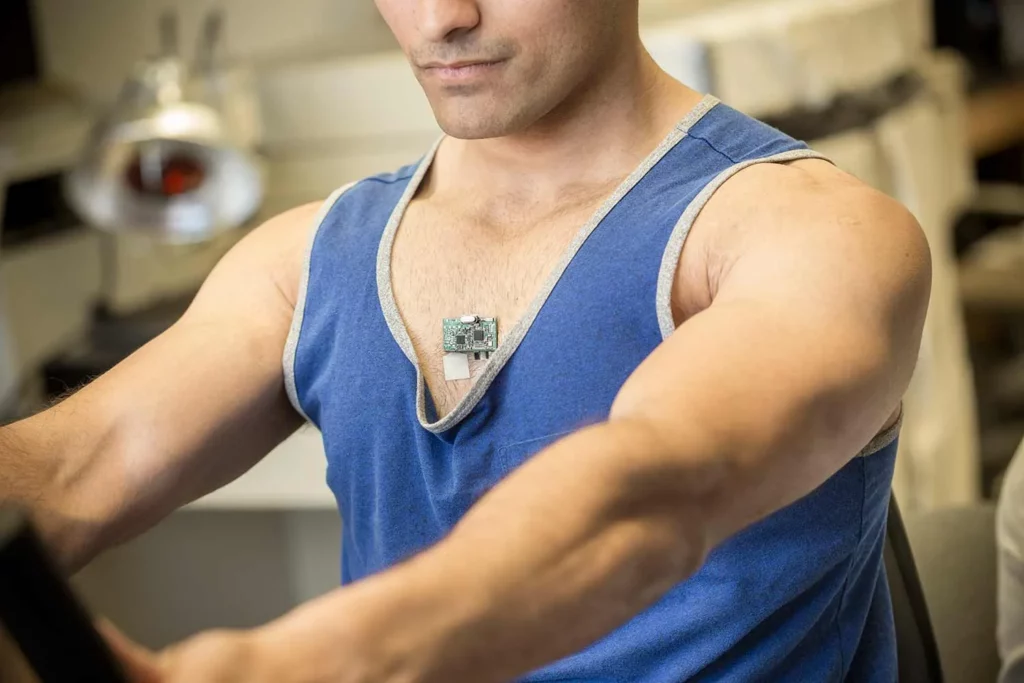
The Internet of Medical Things links medical sensors to software platforms. That includes wearables, patches, smart rings, and home monitoring tools.
Non-invasive biosensing attracts attention because it could reduce friction. People prefer sensors that do not require needles or complex setup. That could expand monitoring for hydration, stress signals, and metabolic markers.
Reality still demands caution. Many non-invasive claims remain experimental. Validation requires clinical trials, calibration, and long-term accuracy testing. Leaders should separate marketing from evidence.
IoMT value grows when sensors connect to care pathways. Data needs interpretation, not just collection. Alert fatigue can also harm adoption if thresholds are poorly designed.
4. Digital Therapeutics (DTx): Software as a Prescription

Digital therapeutics deliver evidence-based interventions through software. Clinicians may prescribe them or recommend them as part of a care plan.
DTx often targets chronic conditions and behavior change. Programs can support diabetes management, insomnia care, and substance use recovery. Many products also focus on mental health support through structured modules.
Clinical evidence is the differentiator. High-quality DTx uses validated protocols and tracks outcomes. Teams should demand clarity on study design, adherence, and safety monitoring.
Integration also matters. DTx works better when it connects to EHR workflows and care teams. That makes it easier to monitor progress and adjust care plans.
5. Medical Digital Twins: The Virtual Patient
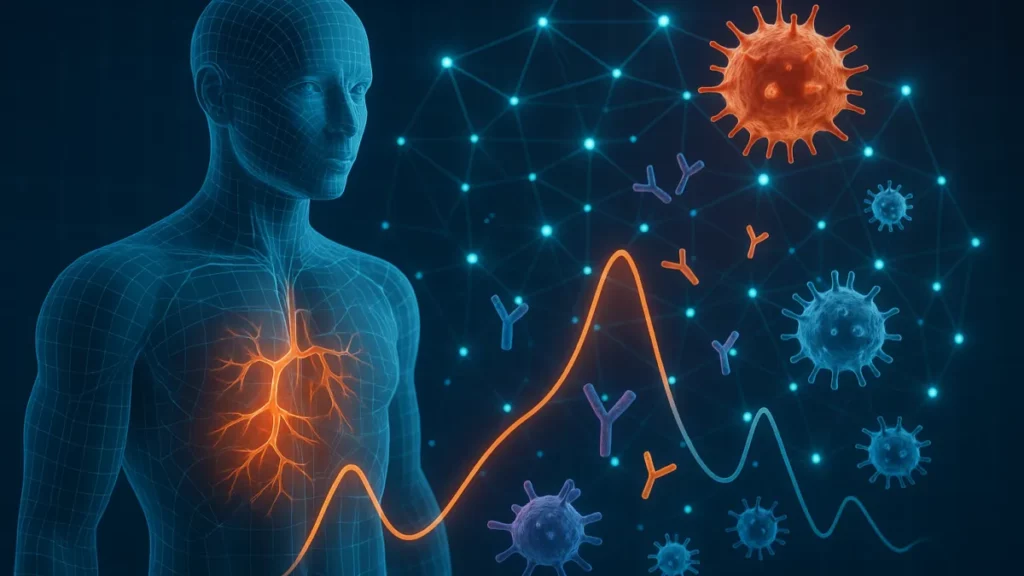
Medical digital twins create virtual models that mirror patient anatomy or physiology. Teams can use them to plan procedures, simulate outcomes, and test scenarios before action.
Cardiology and orthopedics often lead this space. Imaging data supports virtual models of organs and joints. Clinicians can then explore surgical paths and predict risk points.
Digital twins also support personalization. They can help match devices to patient anatomy. They can also support dosing decisions when models capture how a patient responds.
Data quality sets the ceiling. Digital twins need accurate imaging, clean clinical histories, and reliable assumptions. Teams also need clear governance when models inform clinical decisions.
6. Blockchain for Health Data Sovereignty

Blockchain can support tamper-evident audit trails for health data access. It can also support consent records that show who accessed data and why.
Most healthcare use cases focus on permissioning, not raw storage. Teams often keep clinical data off-chain and store references or access logs on-chain. That design improves scalability and privacy control.
Patient-mediated exchange is a key goal. A patient could grant and revoke access to parts of a record. That could simplify research participation and cross-provider data sharing when governance is clear.
Challenges remain. Identity matching, governance, and legal alignment require careful design. Leaders should start with limited pilots, clear stakeholders, and strong security reviews.
7. Robotic-Assisted & Remote Surgery via 5G/6G

Robotic-assisted surgery improves precision and control for selected procedures. Remote capability adds new options for mentorship, proctoring, and specialist support.
Connectivity matters because surgeons need stable, low-latency control and video feedback. That makes advanced cellular networks and edge computing more relevant to operating rooms and remote sites.
Remote surgery is not a universal solution. It requires strict safety design, redundant connectivity, and clear liability rules. Many programs start with remote guidance before they move toward deeper control models.
Equity is also part of the promise. Remote expertise can support underserved regions when local teams have strong training and the right infrastructure.
Digital Health Technology Examples
Many leaders ask for digital healthcare technology examples that map to real trends. The simplest approach is to connect each trend to tools already used in care delivery.
- Predictive and generative AI: Imaging triage tools that prioritize suspected stroke scans, clinician copilots that draft visit summaries, and chat-based intake that structures symptoms into clinical templates.
- Hospital-at-home models: Remote monitoring kits that capture vitals, nurse dispatch workflows that coordinate in-home services, and command center dashboards that track escalation triggers.
- Next-generation IoMT: Smart rings that track sleep and recovery signals, adhesive patches that stream cardiac rhythms, and home devices that send blood pressure readings to care teams.
- Digital therapeutics: App-based cognitive behavioral therapy programs, addiction recovery platforms with structured coaching, and condition-specific digital coaching paired with clinician oversight.
- Medical digital twins: Virtual planning tools for complex procedures, simulation platforms that test device fit, and patient-specific models used for pre-procedure rehearsal and education.
- Blockchain-enabled governance: Consent registries that record data-sharing permissions, audit systems that log access across organizations, and research data pipelines that improve traceability.
- Robotics and remote capability: Robotic-assisted platforms with integrated imaging, remote proctoring tools for specialist mentorship, and telepresence setups that support rural surgical teams.
These examples show a shared pattern. Each tool works best when it links to a workflow. Each tool also needs governance, training, and clear accountability.
Benefits of Digital Health Technology

Benefits of digital health start with access. Remote care reduces travel burden and speeds up follow-ups. It also supports people who struggle with mobility, time, or distance.
Next, digital health technology improves continuity. Shared records reduce duplicated tests and missing history. Monitoring tools also keep care teams connected between visits.
Another benefit is earlier intervention. Predictive signals can flag risk before crises. Remote monitoring can spot deterioration and trigger timely outreach.
Clinical productivity can improve as well. Better documentation workflows reduce rework. Smart routing also helps teams focus on high-priority cases first.
Patients can gain stronger self-management support. Apps can guide daily habits, track symptoms, and clarify next steps. That helps people stay consistent with plans.
Health systems also gain operational insight. Analytics can reveal bottlenecks, capacity strain, and population risk patterns. Leaders can then allocate resources with more confidence.
Investment patterns suggest the field is maturing into core infrastructure. Rock Health reports annual funding for U.S. digital health startups reached $14.2B, which signals sustained momentum for scalable platforms and clinical-grade tools.
Challenges in Digital Health Technology
Challenges of digital healthcare often start with trust. People share sensitive information. They also expect systems to protect it. Data breaches and misuse can quickly destroy adoption.
Cybersecurity risk rises as connectivity grows. Every device, API, and vendor connection expands the attack surface. Teams need strong identity control, encryption, monitoring, and incident response plans.
Interoperability remains another barrier. Data can still sit in silos. Even when standards exist, implementations differ. That forces clinicians to hunt for information and increases cognitive load.
Equity challenges can grow if programs ignore access gaps. Connectivity and device affordability shape who benefits. The digital divide can also interact with language, disability needs, and health literacy.
Data quality creates a quieter problem. Sensors can drift. Patients can forget to measure. EHR data can include missing fields and inconsistent coding. Analytics cannot fix poor inputs without careful design.
AI adds new governance demands. Bias can appear when models learn from uneven data. Drift can appear when practice patterns change. Teams need continuous evaluation, not one-time validation.
Regulation and reimbursement also shape adoption. Many tools need clinical evidence and clear pathways for payment. Without stable incentives, pilots can stall after early excitement.
Clinician experience matters too. Poorly designed tools increase clicks and alerts. That can worsen burnout. Usable design and workflow fit should guide every implementation decision.
Finally, leaders must manage scale responsibly. Wearables and monitoring can flood teams with data. The field may ship 537.9 million units, but success still depends on triage logic, staffing, and patient education.
Digital healthcare technology can deliver better access, clearer decisions, and more continuous care when teams implement it with discipline. Strong programs start with a clinical goal and build the workflow around it. They also invest in security, interoperability, and patient-centered design. When leaders pair innovation with governance, digital healthcare technology becomes a reliable layer of modern healthcare instead of a collection of disconnected tools.
Conclusion
Digital healthcare technology will keep changing how people access care and how clinicians act on data. Yet success depends on one thing first: trust. Patients must feel safe sharing data. Clinicians must see clear value in every click, alert, and workflow.
At Designveloper, we help teams turn health ideas into real products, not demos. We have delivered 100+ successful projects across different industries, so we know how to ship stable systems at scale. We also hold an overall Clutch rating of 4.9 (9 reviews), and that comes from doing the basics well.
For digital health solutions, we build them end to end. That includes telehealth platforms, patient portals, mHealth apps, and dashboards for remote monitoring. We also integrate EHR workflows and modern APIs, so data can move where it needs to go. For health-focused work, we prioritize privacy, role-based access, audit logs, and secure cloud architecture. Then we add quality assurance and performance testing, so releases stay reliable under real clinical load.
We also bring practical health-tech experience to the table. For example, we developed ODC, a telehealth platform that connects patients and healthcare providers across France. Projects like that teach a simple lesson. Technology only helps when it fits real care pathways, and when every screen supports the next clinical step.
If you want to launch or upgrade a digital healthcare product, we can help you move faster without cutting corners. We turn requirements into clear roadmaps, then we design, build, test, and support the product with one accountable team. That is how we help digital health technology create measurable impact in the real world.