


YouTube added some new insights to its Media Kit for channels, which will enable creators to share expanded audience data with potential partners. The platform is also bringing more artificial intelligence-powered creation tools to its separate video editing app.
First, YouTube added new elements to its Media Kit info display, giving creators more ways to showcase their channel performance.
YouTube’s Media Kit option, which was made available to all creators in the YouTube Partner Program in October, enables YouTube creators to generate PDF overviews of their channel data in order to help secure branded content deals.
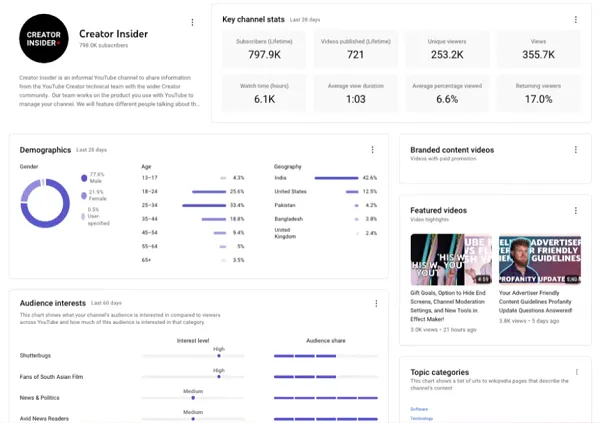
The Media Kit overview includes data on subscribers, video posting frequency and unique viewers. Now, YouTube is adding more demographic insight as well.
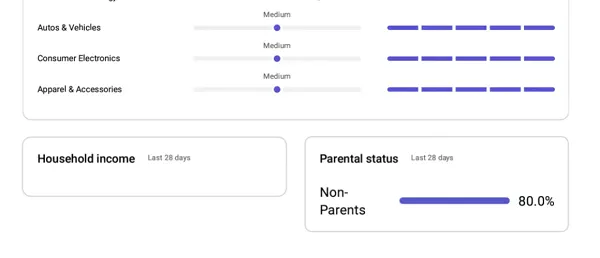
The first new element is “Family Status,” which will highlight the percentage of a channel’s audience that are parents (or non-parents, depending on the channel).
The second metric is “Household Income,” which will provide more specific data into the audience that can be reached via each channel.
That could be valuable info for potential brand partners. It could also help creators secure more sponsored content deals.
On another front, YouTube is also making Google’s latest AI-powered image generation tools available in its YouTube Create app.
YouTube Create is a separate video editing tool, similar to Meta’s Edits, or ByteDance’s CapCut, which provides access to a range of functions that make it easier to formulate more complex video clips.
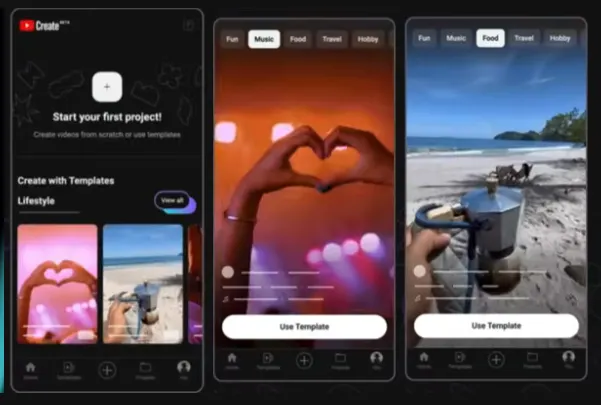
Users will now be able to generate content within Create with Google’s latest Nano Banana image generation model.
As explained by YouTube: “This upgrade will allow you to use text prompts and reference images to create Gen AI images. You can upload up to three images from your device’s media gallery to serve as ingredients for the generation.”
YouTube is gradually expanding its AI generation tools to more elements, with parent company Google looking to generate more interest in its AI models.
Though as with all generative AI tools, there’s a question as to how much these tools will actually contribute to creativity, as opposed to supplanting it.
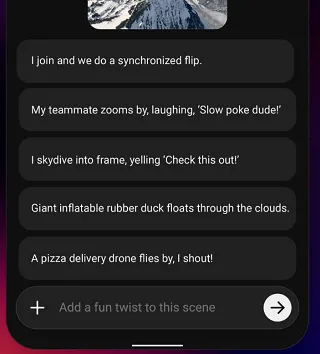
For example, last month YouTube expanded access to its Reimagine function for Shorts, which enables users to transform a single frame from an existing Shorts clip into an entirely new 8-second clip, powered by Google’s Veo AI generation model.
Though users don’t get to choose what that AI regeneration is, exactly, Reimagine gives people a selection of options to choose from for these alternate depictions.
This seems to run counter to the creative expression that YouTube was built on. AI reimaginings are not representative of a user’s own creativity. As such, it does seem like broadening access to these generative AI functions could lead to an influx of AI slop on YouTube, instead of powering up people’s imaginations.
But AI is the tech of the moment, and like every other big tech corporation, Google is investing big in AI capability. So it makes sense why YouTube would want to showcase these tools whenever it can. It just may not be as beneficial for YouTube as some superlative-laced introductions suggest.