


Chief executives and board directors are looking at AI technologies as fuel for growth and innovation in 2026 and beyond.
Most business leaders — in fact, some 77% of the 3,500 IT leaders surveyed for a January report from global technology consultancy Thoughtworks — have shifted their AI strategies from an emphasis on cost savings to a focus on growth and innovation. That shift is even more pronounced at large enterprises, where some 92% of business leaders reported refocusing their AI strategies.
That shift has CIOs prioritizing innovation and transformation.
Yet CIOs know from experience that there are many roadblocks to successfully delivering on those AI priorities, with cultural obstacles often among the most difficult ones to overcome.
With that in mind, InformationWeek asked two CIOs the following question: Four months into the year, what is the one cultural red flag threatening your 2026 innovation goals?
-
Orla Daly, CIO at Skillsoft, maker of a corporate digital learning platform, said “innovation without transformation” signals that the organization isn’t truly adapting to change.
-
Jeff Stovall, CIO for the city of Dallas, said fear of failure impedes innovation, showing up as slow progress and overly cautious or skeptical teams. In the public sector, incentive programs prioritize safety over transformation, requiring leaders to find other ways to encourage innovation.
Daly and Stovall spoke at length about this topic. Below are their responses to our question, edited for clarity and length.

Orla Daly, CIO, Skillsoft
Daly: ‘Change is overwhelming right now’
“A red flag for me is innovation without transformation. It’s when we’re adopting AI or new technologies without really changing how we work, which from a cultural perspective goes to the ability to deal with and embrace change.
“It’s not necessarily that people are against change, but that change is overwhelming right now.
“[So as leaders, we] have to make space for people to digest innovation. One of the ways to do this is to spend more time thinking about the why and the what of the innovation versus the how.
“We have a tendency to jump in, especially when it comes to technology, and just start going and experimenting — and there’s an element of that that’s important. But then how do you go from experimentation to something meaningful that creates value? That brings us back to the why. We should be asking, ‘Why are we doing this? What is it we’re trying to do? And what is the impact and the outcome we’re trying to achieve?’
“That also ties into AI changing tasks and changing work. We have to think about what skills are needed as work changes.”
Helping workers get unstuck
“This is different from change fatigue. Change fatigue is somewhat negative — it’s like, ‘We’ve had enough change’ and ‘I’m a victim of change’ — versus a sense of being overwhelmed.
“With innovation today, people are genuinely curious and excited. I see a good part of the population that is like, ‘Oh, this is cool, and this can make my job easier.’ But they’re stuck on the how and where to start and how to apply [the innovation], because there’s just so much change happening now, and every day there’s a new tool.
“I think there’s an element of resilience and perseverance needed. There also needs to be more active leaning in.
“That impacts how we as leaders show up. We need to bring clarity around the purpose, the why, the what and the outcome we’re trying to drive. We need to say there is a lot of opportunity while bringing it back to the business outcomes that we’re trying to drive — supporting curiosity and learning in the context of real work. That takes focus.”
A forum for shared learning
“We started a format to share learning in engineering called AI Connect, and we have just started to expand it [beyond IT]. The idea is to have a forum where we get together once a week, where [workers] can bring questions and share good use cases.
“We have a company objective to gain efficiency and productivity through AI. We saw there were certain people who were making good progress [on innovation and transformation adoption], and wanted to showcase them and give them a platform to share what they’re doing, which in turn encourages others. It’s about taking away the mystery that is around AI and giving people practical tips. We’re trying to share the knowledge.”
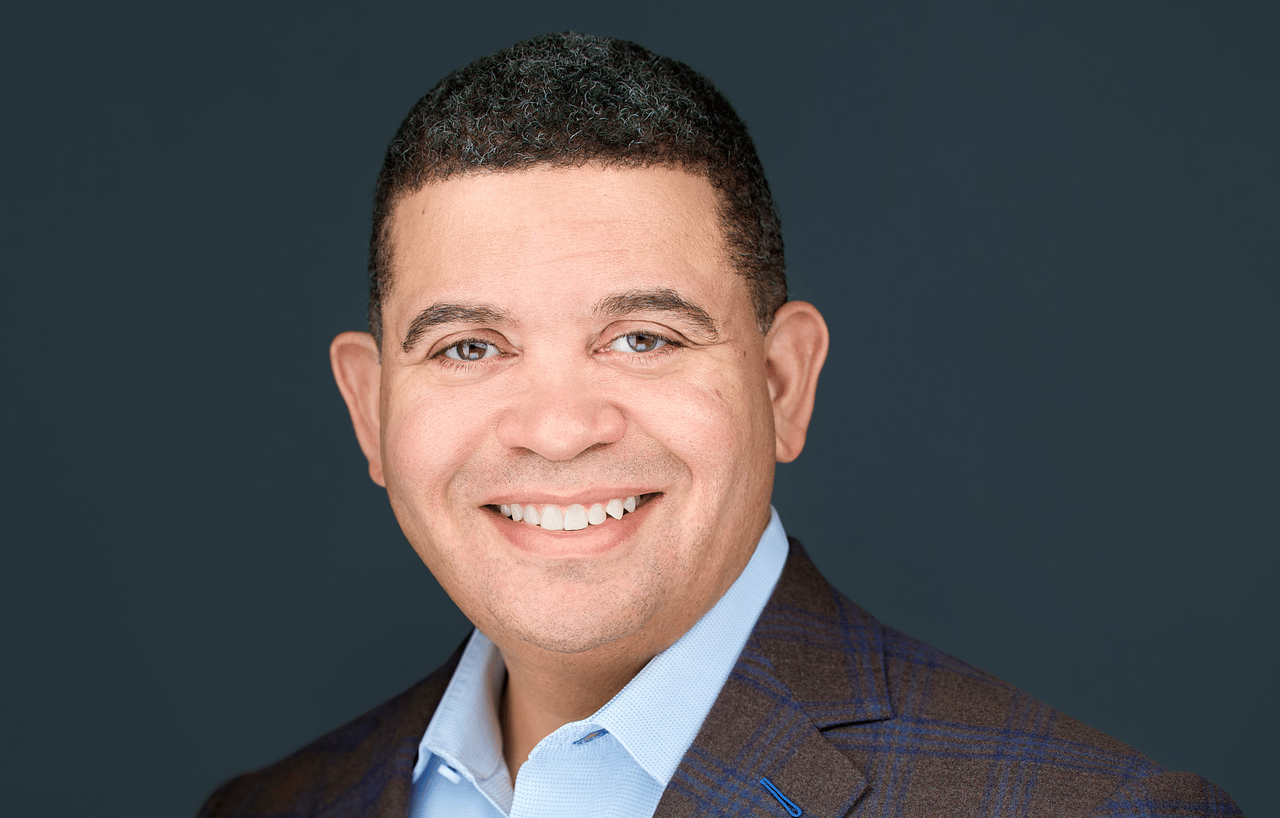
Jeff Stovall, CIO, city of Dallas
Stovall: Incentive imbalance can create fear of failure
“Something that is pretty prevalent in the public sector is fear of failure. Fear of failure can happen in any environment. However, when we’re talking about new technologies, particularly AI, this element shows up in a particular way around innovation in the public sector because we have an imbalance in our incentives in the public sector.
“Public-sector organizations — municipalities in particular — are generally built to keep bad things from happening, and because they’re built to keep bad things from happening, there tends to be a bias in terms of the types of things that we emphasize as well as the incentives that are put in place.
“There could be significant penalties for getting something wrong, but very little upside for getting things right and doing something that’s innovative and out of the box.
“So when you’re coming into an organization with this imbalance in how we incentivize action, you have to find different ways to overcome the fear of failure.”
Creating the right incentives and mindset for innovation
“The way that we have to deal with that in these organizations, particularly in public-sector organizations, is to disassociate failures of practice [related to] starting something new from personal failures — the idea that individuals in and of themselves have failed.
“This is something that’s practiced more in private-sector organizations because of the incentive structures. But in the public sector, you can’t give bonuses for things that people have done really well; the structures really don’t allow for that type of financial compensation.
“So what we really tap into is a sense of mission: How can this innovation promote the mission of the organization in a way that allows us to be able to say that we tried something and if it didn’t work and we failed at it, that it’s not a catastrophic issue in terms of how the organization moves forward, how people are viewed individually, and it doesn’t have negative implications for overall long-term employment.
“The other thing that you have to be able to create in the public sector is the ability to fail safely. In the private sector, we talk about failing fast: If you’re going to fail, you want to fail fast and move on.
“Well, fast is hard to achieve in almost any government structure, but what you can do is fail safe. You can set up boundaries inside of the organization so that if you’re going to have an innovation and it fails, it doesn’t have ripple or cascading effects across the organization.”
Warning signs
“The easiest way to see when there’s a fear of failure is when things slow to crawl. When people are afraid, they stay away. They back up. They’re very cautious. They’re very skeptical. Roadblocks start to come up that don’t have to be there from an operational or safety standpoint.
“You have to support the organization so you can push away that fear and get moving to the next step, because every successful next step builds confidence. That building of confidence is how we ultimately can push through the fear in order to get to innovation.”