


From Google Docs and Figma to Airbnb and Canva, web apps power many of the products people use every day. They run in a browser, support real user actions, and often connect to accounts, data, workflows, or payments. If you need a full primer first, read What Is a Web Application?. This guide stays focused on something more practical: real web app examples, why they work, and what businesses can learn from them.
10 Outstanding Web Application Examples
Just think of the situations when you have to convert a PDF file to JPG format without Adobe Acrobat, or when you want to retouch a photo without Adobe Lightroom installed on your computer. What most people often do is open the browser, and google “convert pdf to jpg online” or “retouch photo online”. The websites that show up are indeed web application examples. Those are the online tools you use to finish a specific task. With this loose definition, we can see that the internet nowadays revolves around web apps.
In the following list, we will examine the most remarkable web application examples. We curated this list based on one salient feature: These apps are the alternative to their counterpart desktop apps.
1. Google Docs Editors
A decade ago, Microsoft Office was the go-to solution for digital office support. Tools like MS Word, MS PowerPoint, and MS Excel were household names. However, the landscape has significantly changed. Google introduced Google Docs, Google Slides, and Google Sheets, offering robust alternatives to Microsoft’s suite. These web-based applications form the core of Google Docs Editors, an office suite developed by Google.

Google’s ambition extends far beyond just providing an office suite. Google Docs Editors is a key component of their business-focused service, Google Workspace, formerly known as G Suite. Google’s vision is to bring everything back to the web, their primary domain. This is evident in their efforts to promote progressive web apps.
As of January 2022, 29% of users use Google Docs daily, and 35% use it two to three times a week. This data underscores the growing reliance on web-based applications in the modern workspace.
Google Docs Editors has also introduced several updates to enhance user experience. For instance, in June 2023, they introduced alternative text for images, drawings, and other graphics, providing an audio description for people who use screen readers. They also added a feature to react to comments with emojis, and the ability to insert third-party smart chips.
One specific example of Google Docs Editors usage is the ‘Show Editors’ feature. This allows users to see who made specific edits in a document, which can be useful for identifying unexpected changes or crediting edits appropriately.
2. Modern web-based social media, and the death of Yahoo! Messenger
Yahoo! Messenger, once dominant in instant messaging, declined due to smartphones and apps like WhatsApp. It mainly operated on desktops, needing downloads. The mid-2000s had a different digital landscape.
But change came with social platforms like Facebook, Twitter, favoring web access without downloads. This shift reshaped digital communication, reducing desktop app use like Yahoo! Messenger.
Now, the global mobile app market hits $228.9 billion, with 5.3 billion internet users. Web app use surged 57% from Jan 2020 to Dec 2021, nearly equaling app usage.
Reports show spikes in app usage, notably in food ordering and banking. Food apps rose 164% since Jan 2020, outpacing others. By Dec 2021, 77% of banking users accessed services via mobile apps.
In contrast, B2B SaaS tools see high web usage, with 88% accessing via websites by Dec 2021. This data highlights web and app importance in today’s digital scene.
Successful web apps include Gmail, Google Drive, and Microsoft 365. They offer dynamic, user-friendly experiences, showcasing web app potential.
Recommended reading: 8 Steps on How to Create a Social Media Platform
3. Canva, one of the web application examples aimed at visual creators
Canva, a web application founded in 2012, has made a significant impact in the realm of online graphic design. Despite not being as large as some other brands, Canva’s ambition to bring graphic design to websites is undeniable. This platform offers services for creating posters, presentations, and various types of visual content, catering primarily to non-experts1.
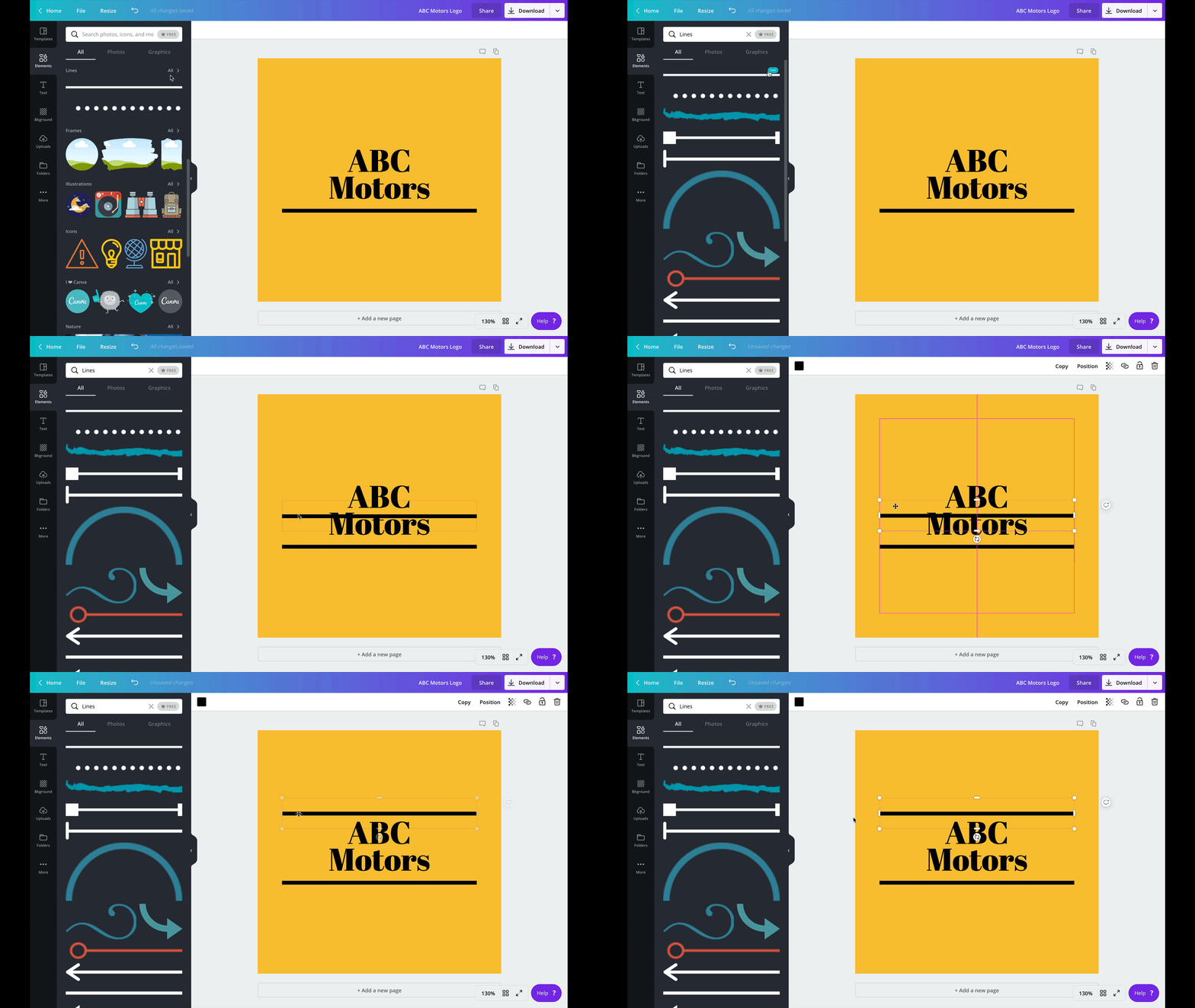
While Canva may not currently surpass Adobe Creative Suite, it’s important to note that surpassing Adobe may not be Canva’s primary business goal. Canva understands its target audience well: individuals who create visuals occasionally and have lower expectations for the quality of their production.
As of 2023, Canva has a global community of 135 million monthly active users in 190 countries. This rapid growth demonstrates the increasing importance of visual presentations in the digital age. Among Canva’s users, it is estimated that there are at least 800K teams paying for a ‘Canva for Teams’ subscription.
Canva has also made significant strides in the education sector. As of September 2022, 25 million teachers and students have been using Canva. This popularity is largely due to Canva for Education, a feature that provides tools for designing lesson plans, classroom decorations, and class resources.
Moreover, Canva has introduced several new features and updates to enhance its offerings. These include enhanced translations, image editing magic, new data visualizations, and updated presentation tools. Such advancements underscore Canva’s commitment to continuous improvement and user satisfaction.
4. Netflix, the streaming giant
Netflix stands out as a prime example of beginner-friendly web applications, offering seamless streaming across various devices.

Its success hinges on a sophisticated microservices architecture, a network of interconnected services powering APIs and web interfaces. This setup ensures efficient, scalable, and reliable performance.
Netflix’s user-friendly interface allows for personalized content experiences through individual profiles. Users can create separate profiles like kids and personal, tailoring content to specific tastes and enhancing the viewing experience.
Financially, Netflix has soared, generating $33.72 billion in revenue in 2023. With over 260 million subscribers as of 2024, it boasts a vast catalog, with more than half being originals or exclusives. Its workforce of 13,000 employees contributes to continuous growth and innovation.
5. X, formerly known as Twitter
X, formerly known as Twitter, stands out as a dynamic social media platform. Users have the power to control their interactions by choosing who engages with their tweets and who can reply, adding a layer of personalization to the social experience.

Taking customization a step further, X introduces the option to create groups. This feature allows users to curate their feeds, reducing noise and ensuring updates from specific groups take center stage. It’s a practical solution for streamlining content and enhancing user engagement.
In a pivotal move in 2017, X launched its Progressive Web App, “Twitter Lite,” becoming the default mobile web experience worldwide. Recognizing the prevalence of mobile users, especially in regions with challenging network conditions, X aimed to elevate the mobile web experience by prioritizing speed and engagement.
With over 80% of its user base on mobile devices, X strategically positioned itself to cater to the majority. The decision to enhance the mobile web experience underlines a commitment to accessibility, acknowledging the challenges posed by slower networks in various regions.
6. Pinterest, your visual moodboard
Within the realm of web application examples, Pinterest emerges as a vibrant platform, allowing users to share cherished photos with Pinterest peers, Facebook friends, and email contacts. The essence lies in creating personalized pinboards, fostering a visually captivating and organized digital space.

Pinterest’s uniqueness lies in its ability to transform random online discoveries into curated pinboards. By creating folders and sub-categories, users can tailor their interests, making them not only visually appealing but also easily discoverable by others. It’s a personalized approach to digital expression.
Recognizing the need for adaptability, Pinterest underwent a transformative shift a few years ago, converting its mobile site into a Progressive Web App. This strategic move aimed to enhance the mobile experience, ensuring users could engage seamlessly with their visual inspirations.
Before embracing the Progressive Web App, Pinterest faced challenges in converting non-app users to app users via their mobile site. The initial approach did not yield the expected results. Simultaneously, the website struggled to deliver an engaging mobile experience, prompting the shift towards a Progressive Web App.
7. Medium for what’s on your mind
Medium is a dynamic platform, offering a canvas for individuals to articulate their ideas and share their unique perspectives. Its standout feature is the ability to seamlessly embed multimedia content such as Tweets, Vines, and YouTube videos, enhancing the richness of the narrative.

For those new to Medium, optimizing blog search results is crucial. By adding up to three tags to your Medium blog, you can significantly boost its visibility. This straightforward yet potent strategy ensures that your insights reach a wider audience interested in the subjects you delve into.
Medium transcends traditional blogging by enabling users to integrate multimedia content. This fusion of text and media enriches the storytelling process, creating a vibrant and engaging reading experience. It’s a distinctive characteristic that sets Medium apart in the realm of web applications.
Medium’s success isn’t confined to user features. As of 2024, Medium has a market value of $600 million, and it boasts 54 million users worldwide. This financial achievement mirrors the platform’s adaptability and appeal, making it a compelling example in the diverse landscape of web applications.
8. Slack, a collaborative work tool for the modern world
Slack stands as a prime example of web applications, transforming team collaboration with its real-time messaging, archiving, and search functions, crucial in today’s fast-paced work setting.
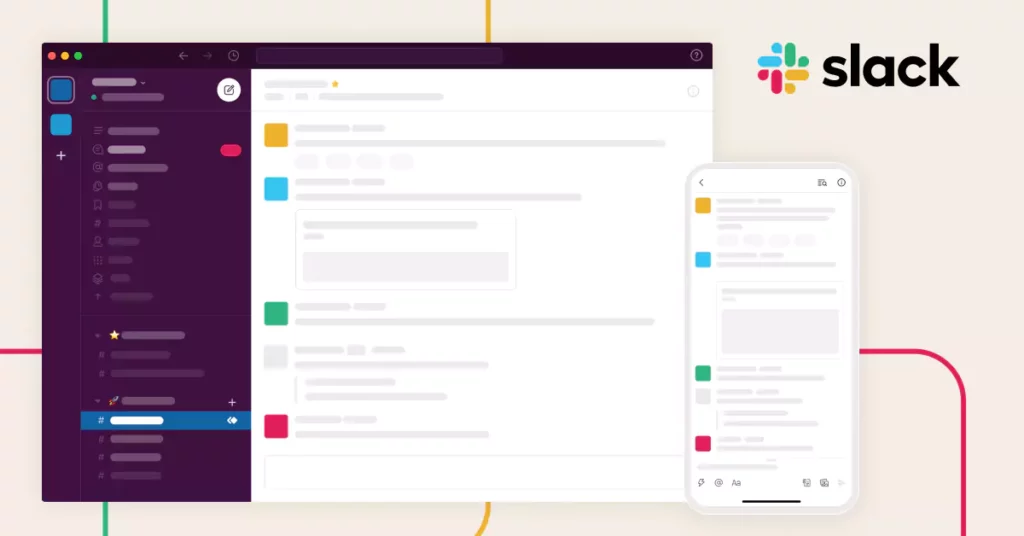
By organizing team conversations into open channels, Slack provides a structured, accessible environment for users. Available in over 150 countries, Slack is projected to have 47.2 million daily active users and 79 million monthly active users by 2025.
A notable feature of Slack is its personalized welcome messages for new users joining channels. This touch enhances onboarding, fostering effective collaboration. During the COVID-19 pandemic, Slack saw over 140,000 paying customers, with 30,000 joining in Q3 2021.
Designed to meet the demands of modern work, Slack offers a user-friendly interface and versatile features. Its new AI features, like personalized search and automated channel recaps, mark a significant step forward, empowering users to boost productivity in today’s dynamic environment.
Recommended reading: Top 7 Web Development Companies Review
Web Application Examples Developed by Designveloper
Our team at Designveloper also has worked with various web application projects, two of which are LuminPDF and CV Simply:
9. Lumin PDF
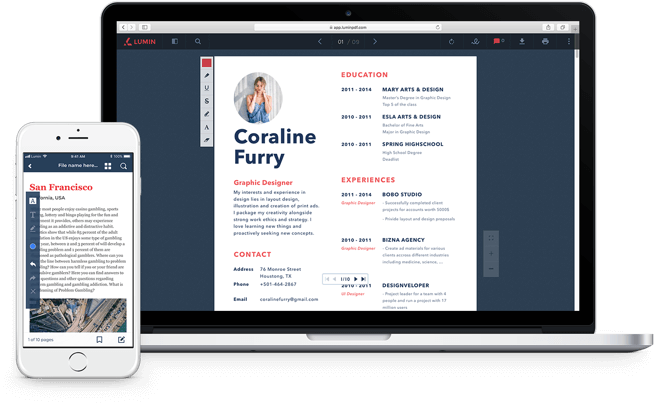
At Designveloper, we’re proud to have contributed to the development of Lumin, an online service for PDF file storage and integration. With over 80 million users worldwide, Lumin has become a go-to platform for editing, storing, synchronizing, and sharing PDF files across devices.
As a leading web & software development company in Vietnam, we’ve leveraged our expertise to help Lumin deliver a seamless user experience. Our team’s dedication to innovation and user-centric design has played a crucial role in Lumin’s success.
Lumin’s unique features, such as the ability to seamlessly embed multimedia content and the introduction of Dark mode, Bulk signature, Drag and drop, and Hide top section, have set it apart in the realm of web applications. These features have not only enhanced the user experience but also demonstrated the potential of web applications in facilitating efficient workflows.
In terms of financial success, Lumin has seen a 600 percent growth in sales during 2021. Its customers include companies like Blockchain, Netflix, and Uber. This financial achievement mirrors the platform’s adaptability and appeal, making it a compelling example in the diverse landscape of web applications3.
10. CV Simply
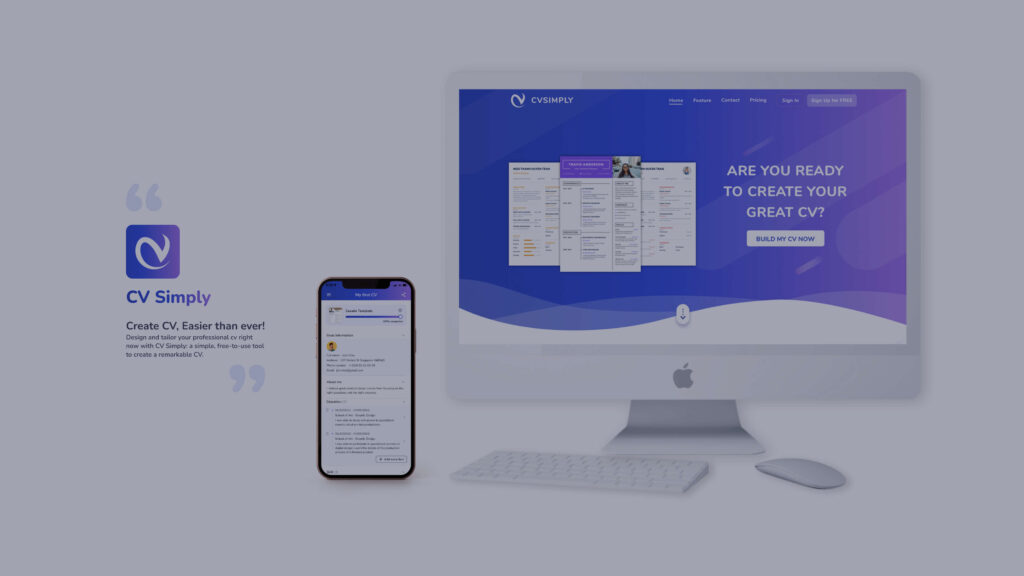
At Designveloper, we’re dedicated to crafting innovative web applications that make a meaningful impact. One prime example is CV Simply, an online tool reshaping how people edit and enhance their CVs.
CV Simply isn’t just a tool; it’s a gateway to fresh opportunities. Featuring an open-source library of appealing CV templates, it caters to diverse professional needs. This application showcases our prowess in delivering user-friendly digital solutions that enrich users’ experiences.
Leveraging advanced technologies and our deep web development expertise, our team at Designveloper brought CV Simply to life. We infused the latest design trends, ensuring the CV templates not only function seamlessly but also captivate aesthetically.
Those are just a few web application examples to give you a clearer picture of what web apps look like. Now, let’s talk about how they are going to evolve in the future.
Recommended reading: Choosing Web App Development Services: 5 Essential Tips
Building Your Web Application With Designveloper
At Designveloper, a prominent software development firm based in Vietnam, we excel in crafting web applications that catalyze growth and refine business operations. Here are some exemplary instances of the web applications we’ve meticulously engineered for our esteemed clientele:

1. eCommerce Platforms
Catering to a diverse array of industries spanning fashion, beauty, and electronics, we’ve architected user-centric eCommerce platforms. Our solutions boast cutting-edge product search and filtering functionalities alongside robust payment gateways, ensuring the integrity of transactions.
2. Healthcare Portals
Empowering patients with seamless access to their health records and facilitating streamlined communication with healthcare providers, our healthcare portals redefine patient-centric care. Tailored for the healthcare sector, our portals elevate the patient experience while fostering efficient care delivery.
3. HR Management Systems
Our adeptly crafted HR management systems empower businesses to seamlessly oversee employee data encompassing payroll, attendance, and performance metrics. Featuring an intuitive interface, our systems streamline HR processes, enhancing operational efficiency.
4. Social Media Platforms
Serving clients across fashion, entertainment, and education realms, our bespoke social media platforms epitomize seamless user experiences. Equipped with advanced search and filtering capabilities, alongside interactive features, our platforms nurture vibrant online communities.
At Designveloper, we transcend the conventional role of developers, embodying the essence of strategic partners committed to augmenting your business endeavors. Reach out to us today to explore our comprehensive suite of web application development services and unlock the potential for transformative business enhancements.
In the context of web application examples, it’s paramount to underscore that the design and functionality of a web application wield substantial influence on its efficacy. At Designveloper, we leverage our profound expertise and industry insights to craft bespoke web applications tailored to our clients’ unique specifications, ensuring unparalleled user experiences. Whether your aspirations entail the development of an eCommerce platform, a healthcare portal, an HR management system, or a social media platform, rest assured, we possess the acumen to translate your vision into reality.
Final Thoughts
In conclusion, at Designveloper, we emphasize the importance of comprehending web application examples, especially for beginners. It’s not merely about understanding definitions but also witnessing their functionality in real-world scenarios. As a leading web and software development company in Vietnam, we’ve had the privilege of engaging in numerous web application projects, accumulating invaluable experience and insights along the journey.
We trust that this blog post has offered you a clearer grasp of web applications and their practical applications. Remember, these examples merely scratch the surface. With web applications, the possibilities are virtually boundless, particularly with a committed and experienced team like ours at Designveloper.
Stay connected to our blog for further informative posts on web development and related topics. Should you have any inquiries or seek assistance in developing a web application, feel free to reach out to us. We’re here to guide you every step of the way!